Print
Print  Email link
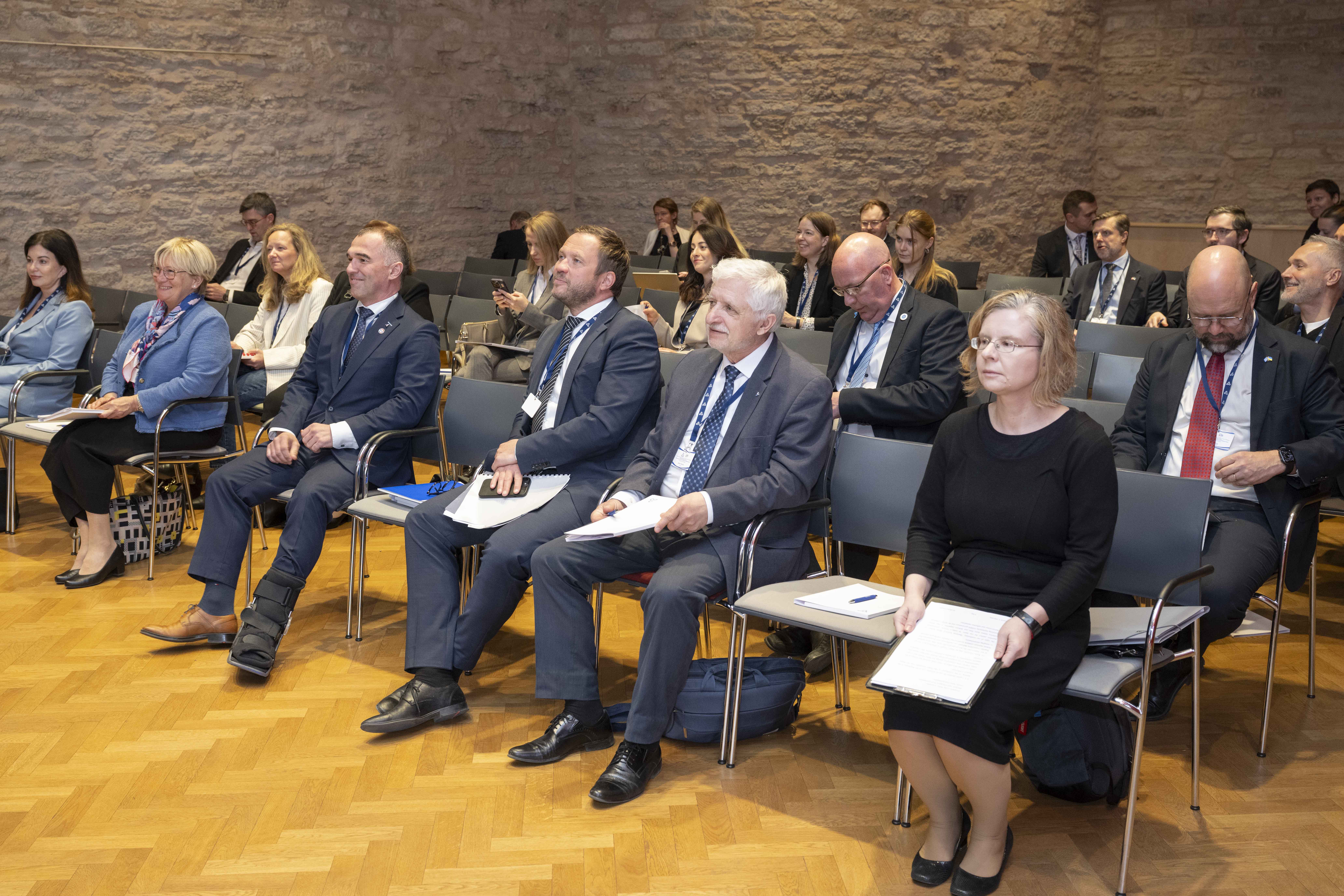
On 7-8 May 2026, the Conference of the Baltic Assembly and the Baltic Council of Ministers took place in Tallinn, Estonia. This year, the discussion focused on building resilient Baltic States and their 35 years of collective action in international and regional affairs.
Defending Democracy Beyond Borders: Why Baltic Resilience Matters to All of Europe
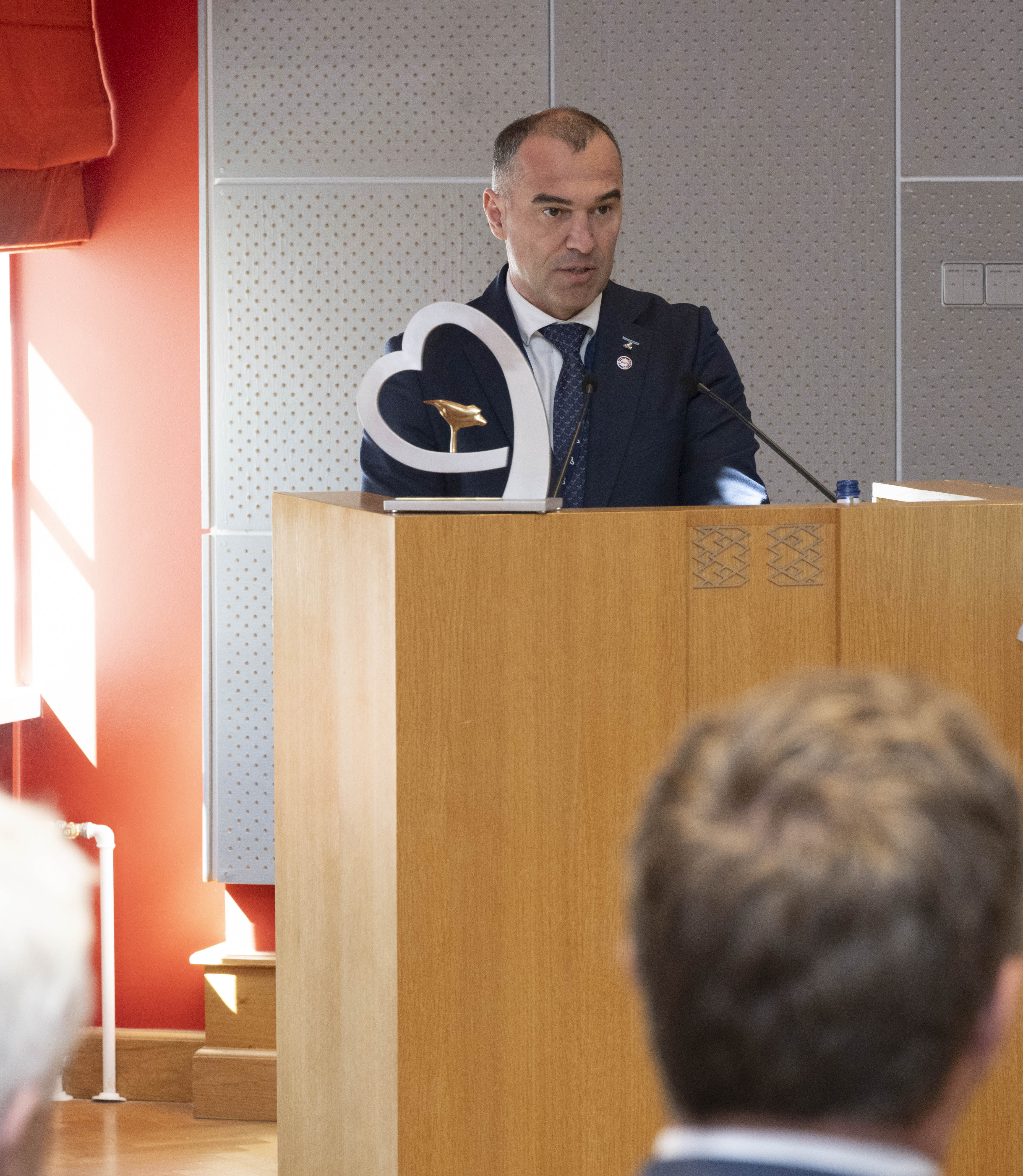
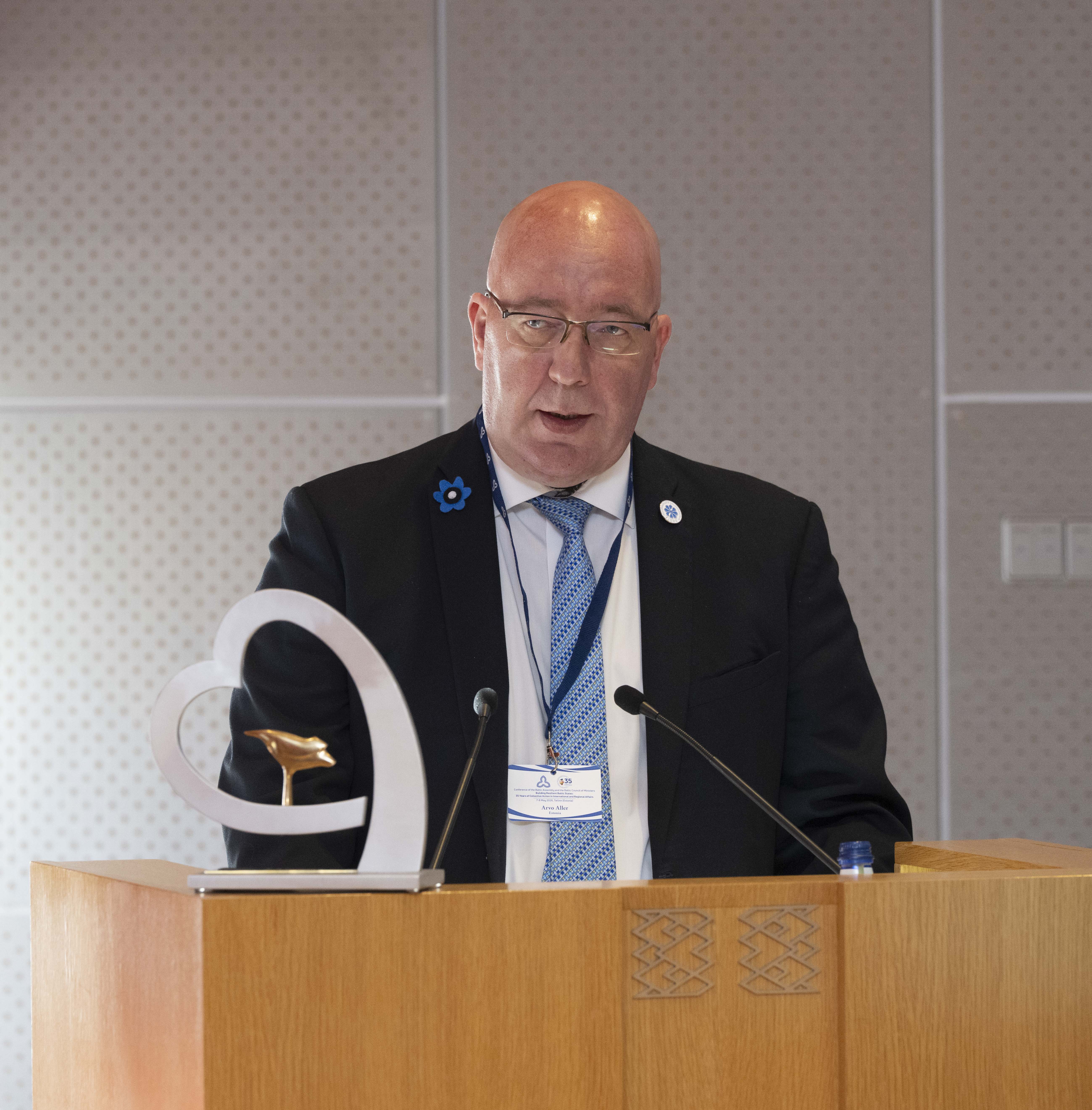
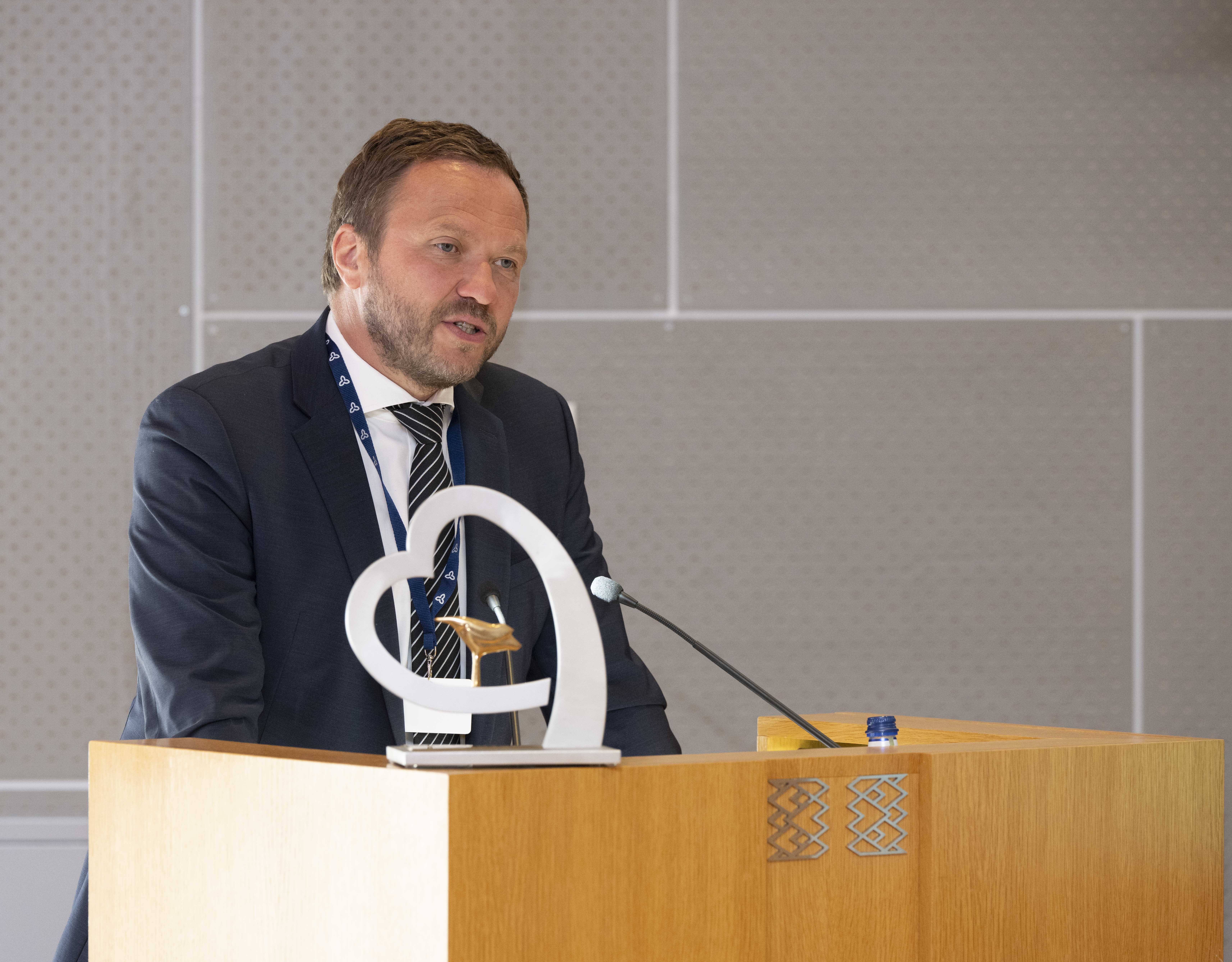
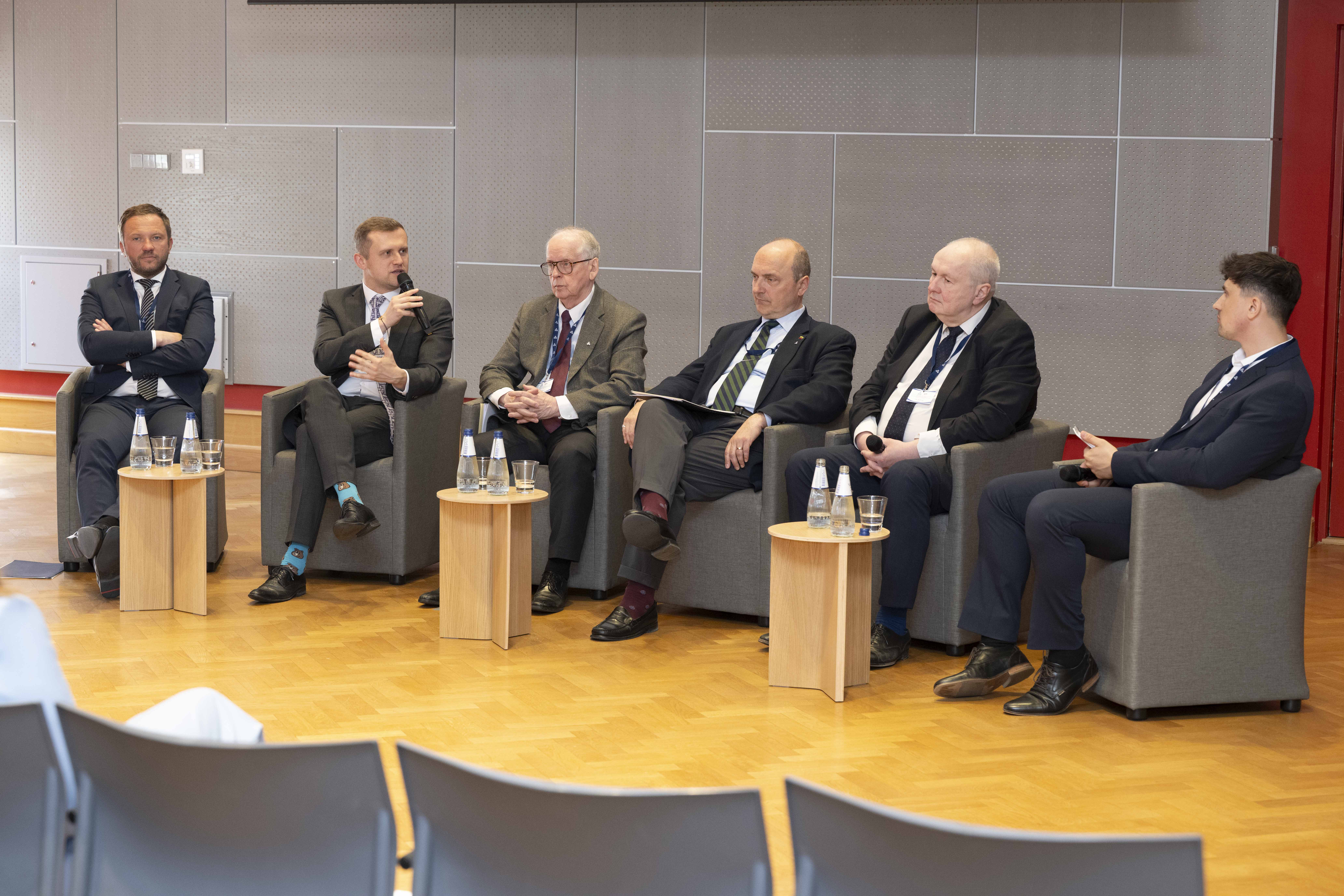
The first panel of the Conference, moderated by Joosep Värk, an Estonian journalist, addressed why the Baltic States' resilience matters to all of Europe. The discussion welcomed H.E. Margus Tsahkna, Minister of Foreign Affairs of the Republic of Estonia, Artjoms Uršuļskis, Parliamentary Secretary of the Ministry of Foreign Affairs of Latvia, Enn Eesmaa, Member of the Presidium of the Baltic Assembly, Giedrius Drukteinis, Vice President of the Baltic Assembly, and Uģis Rotbergs, Vice Chair of the Security and Defence Committee of the Baltic Assembly. The panelists highlighted multiple topics:
- They stressed that the Baltic States are effectively the “gates” protecting European democratic values, and that must be protected at all costs.
- Much attention went to Russian propaganda, cyber threats, and cognitive warfare. Speakers agreed that the Baltic States have become more experienced at countering disinformation; however, societies remain vulnerable.
- Cooperation among the Baltic States, EU and NATO unity, and formats such as the Baltic Assembly and NB8 were described as essential.
- Rail Baltica and Via Baltica were discussed not just as transport projects but as strategic infrastructure linking the Baltics firmly to Europe and reducing dependence on former systems.
Finally, they reflected on history and how the Baltic States fought to regain independence and international recognition!
35 Years of Partnership: Achievements and Lessons Learned
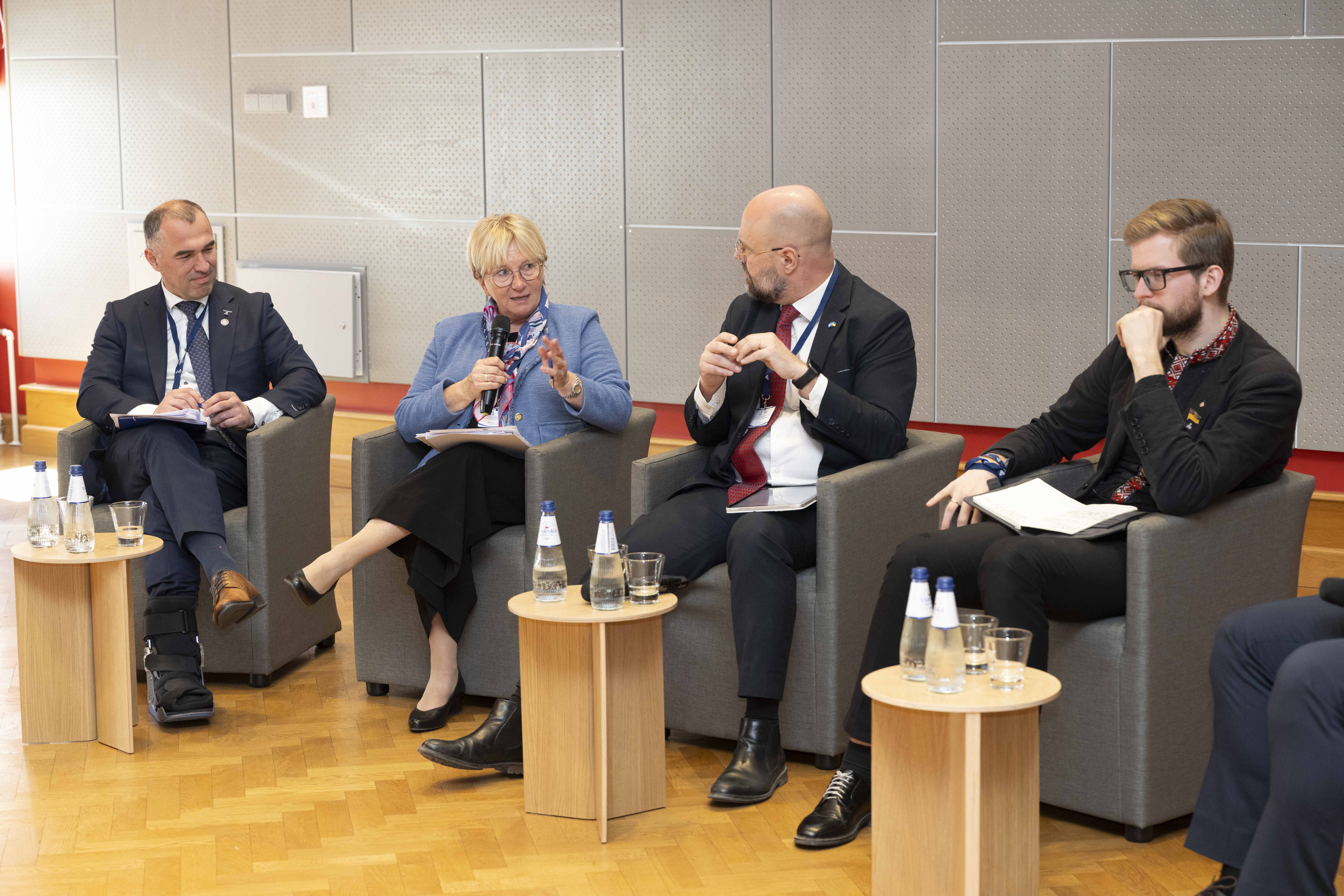
The second panel reflected on 35 years of cooperation within the Baltic Assembly and with its partners, highlighting key achievements, milestones, and successful models of cooperation. The panel welcomed Timo Suslov, President of the Baltic Assembly, Patricia Creutz, Member of the Benelux Parliament, Kim Berg, Vice President of the Nordic Council, and Sviatoslav Yurash, Member of the Verkhovna Rada. Main points included:
- The Baltic Assembly was described as one of the most active interparliamentary organisations in Europe. Examples included the Baltic Culture Fund, mutual recognition of higher education diplomas with the Benelux countries, parliamentary coordination, and other achievements.
- Representatives from the Benelux Parliament and the Nordic Council stressed trust-building, long-term coordination, and avoiding narrow national politics in international forums.
- Several argued that Russia’s actions in Crimea in 2014 and the full-scale invasion of Ukraine in 2022 restored a stronger sense of Baltic unity and common purpose.
- Ukrainian MP Sviatoslav Yurash described the Baltic region as a model for post-Soviet transformation, digital governance, democratic development, and resilience against Russia.
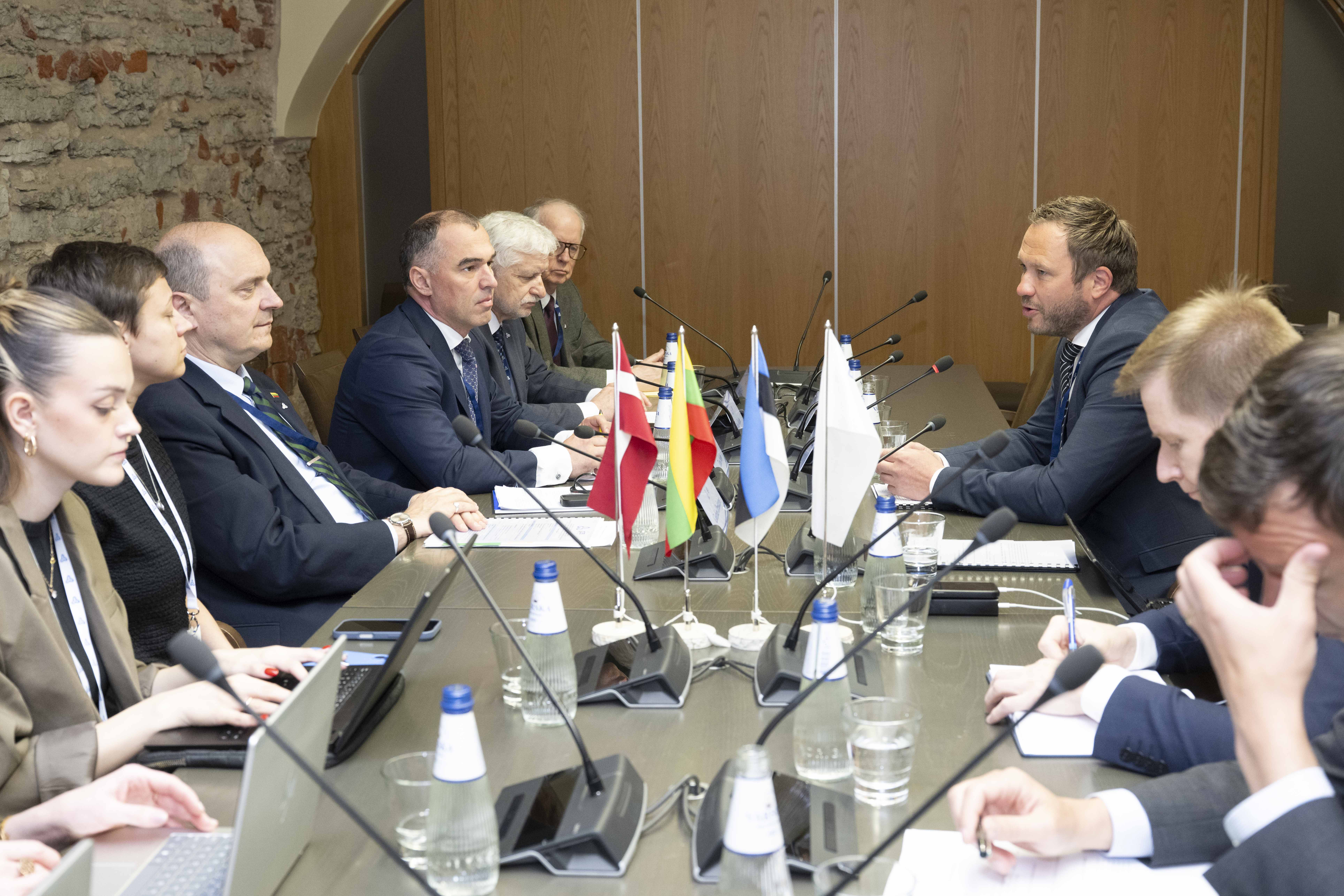
Additionally, the Presidium of the Baltic Assembly met with the Cooperation Council of the Baltic Council of Ministers, Chaired by H.E. Margus Tsahkna, to discuss current affairs in the Baltic States, ways to strengthen regional cooperation, key security concerns, and future collaboration with international partners.
Photos
© Erik Peinar, Riigikogu