Print
Print  Email link
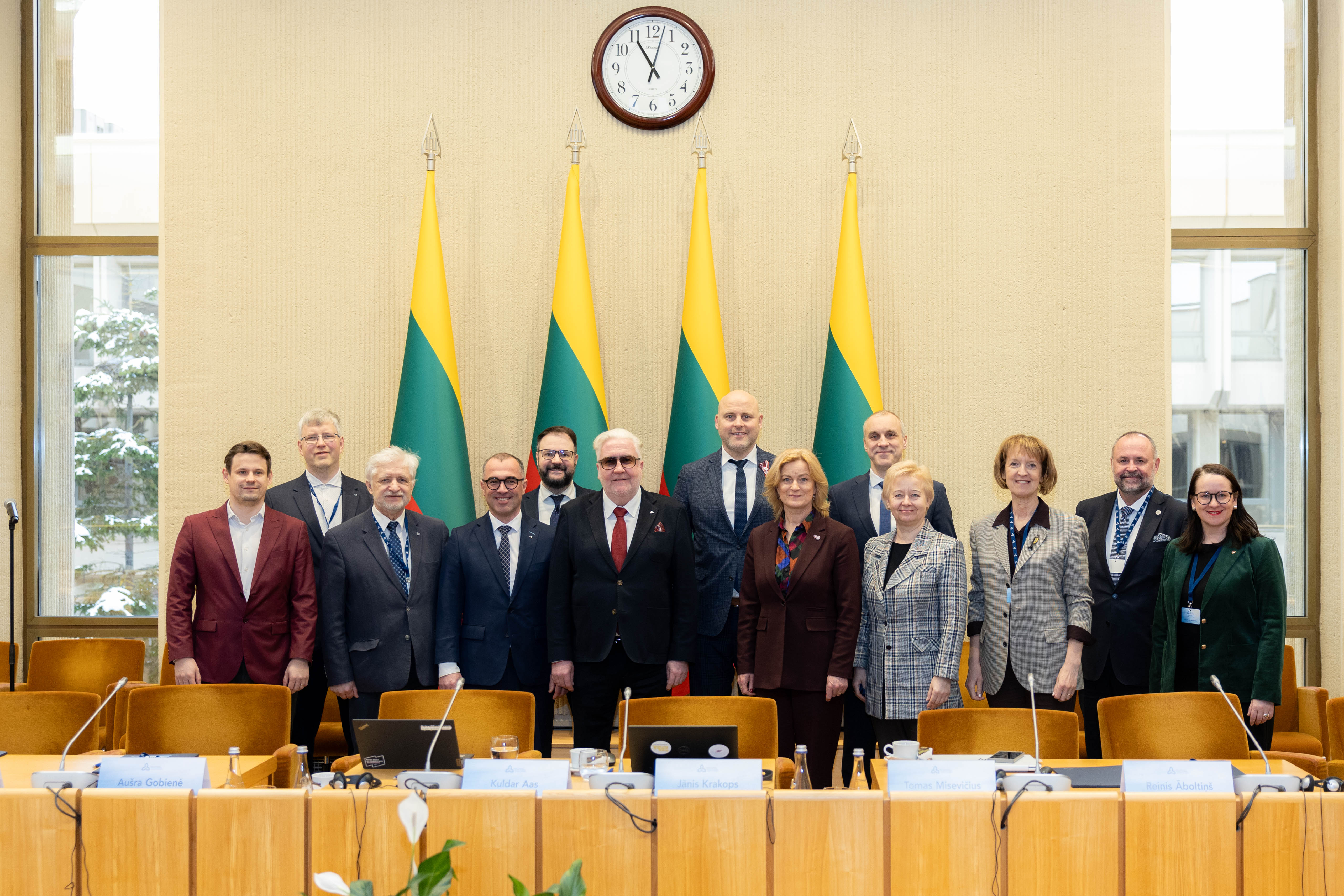
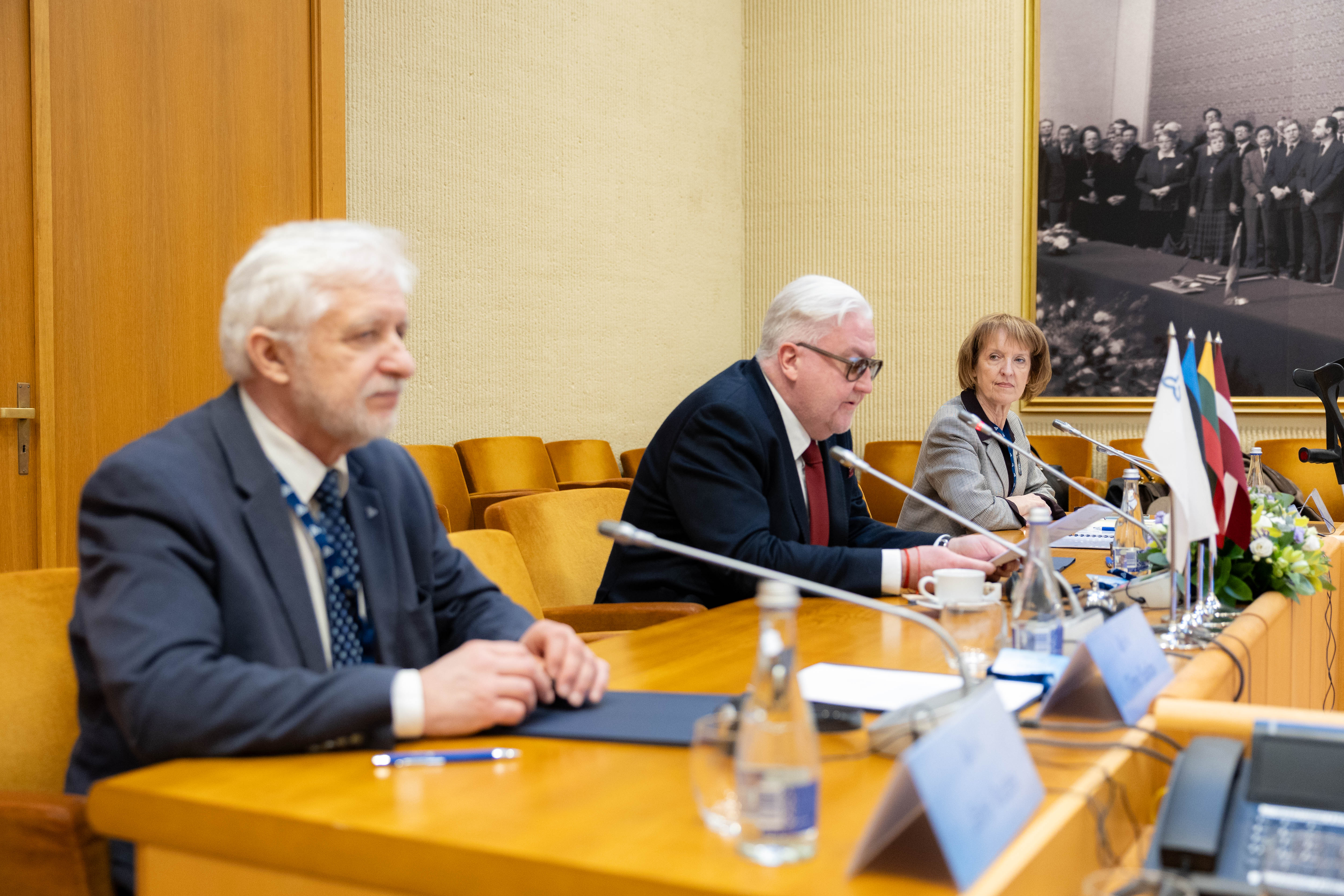
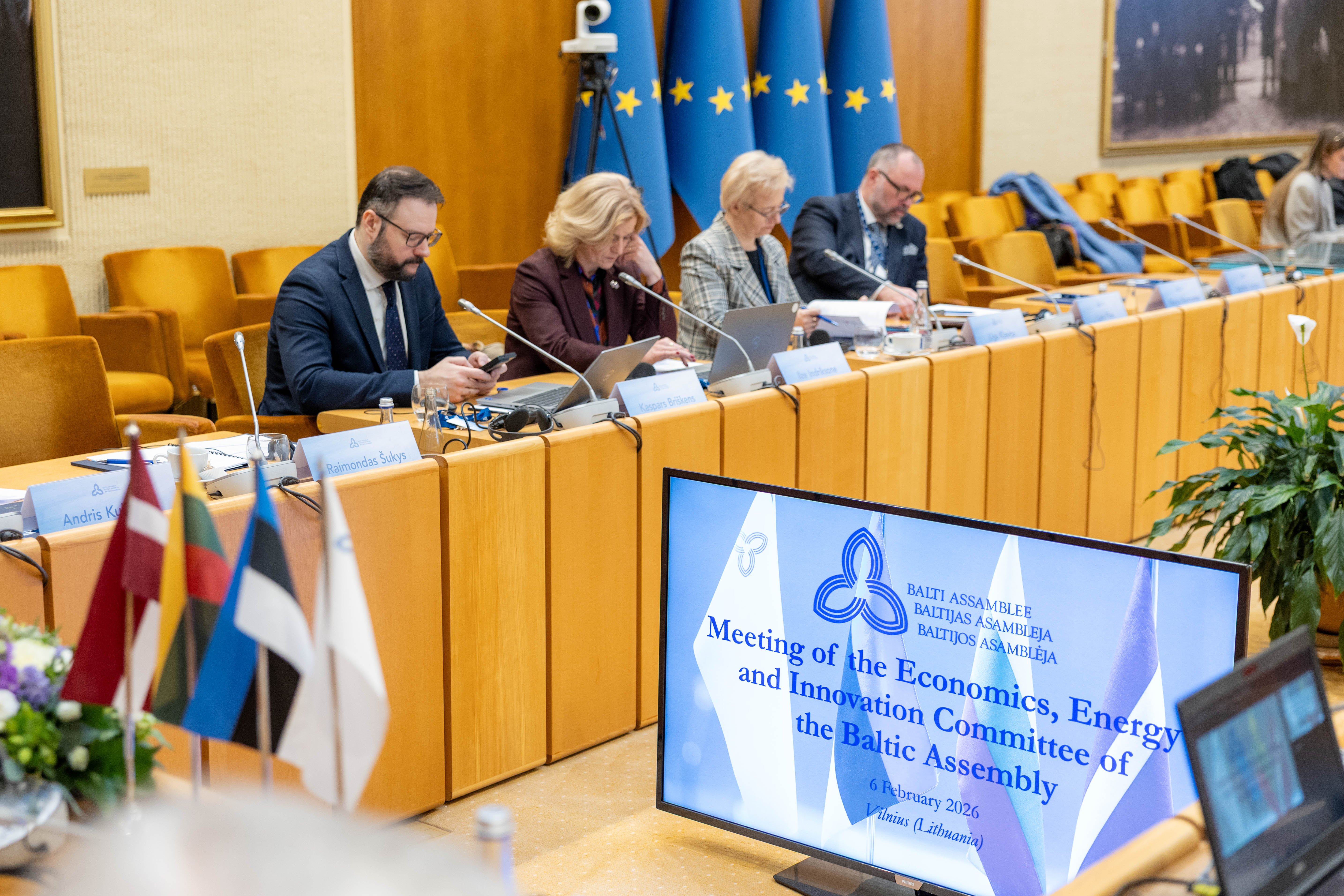
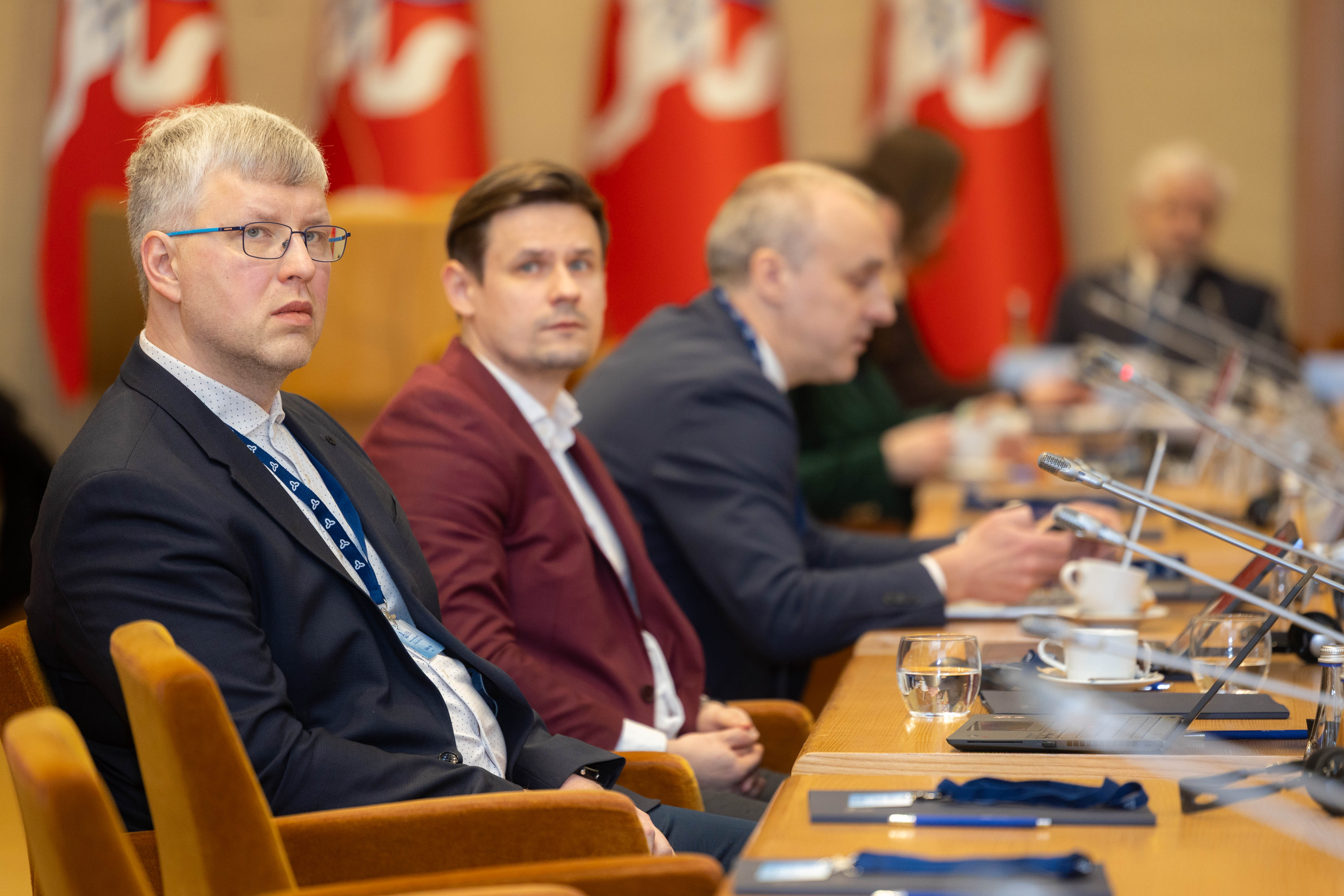
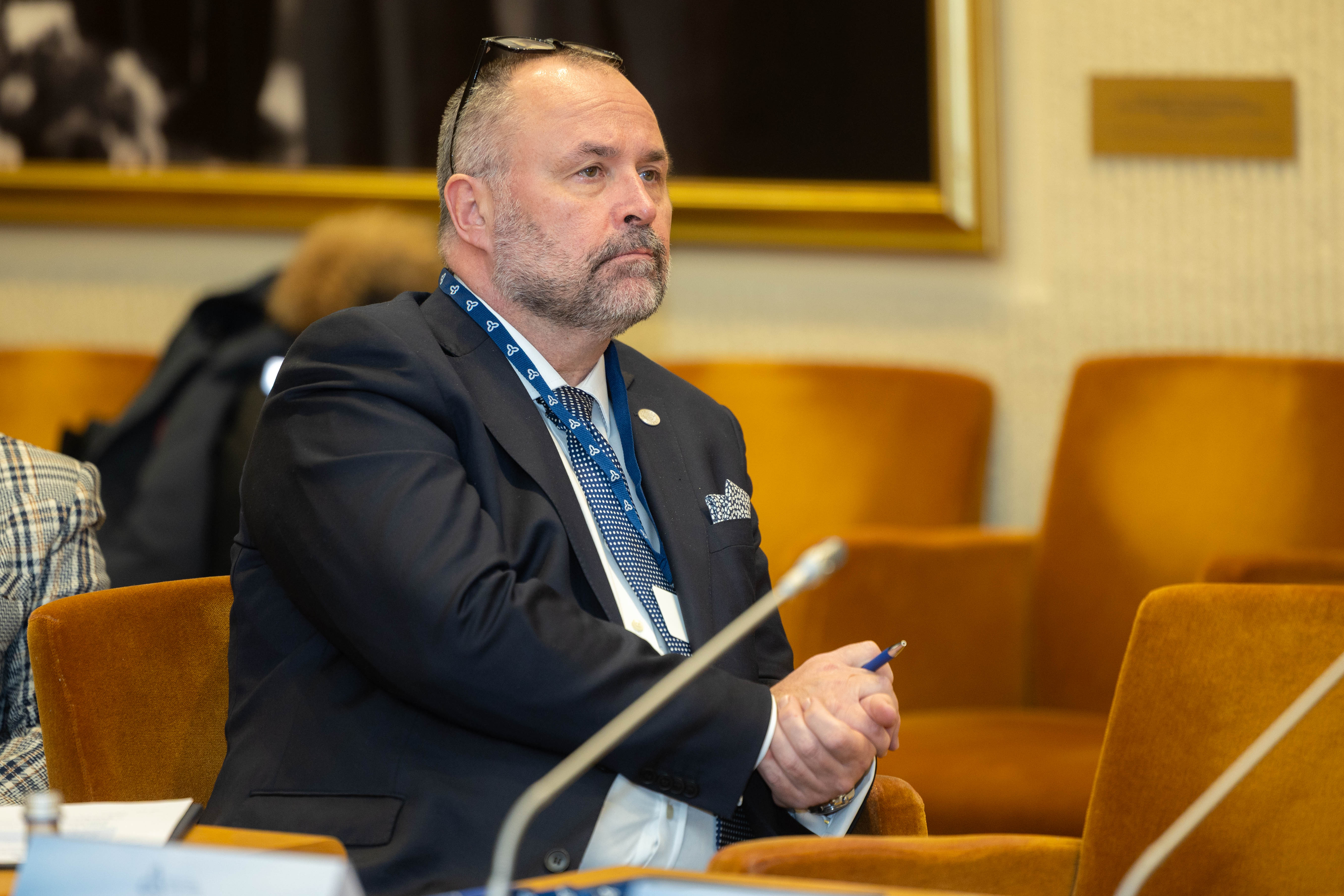
On 5-6 January 2026, the meeting of the Economics, Energy and Innovation Committee was held in Vilnius, Lithuania. The meeting primarily discussed uniting the Baltic region in a digital age and enhancing the overall physical connectivity of the Baltic States.
Uniting the Baltic region in a digital age: speeding up transformation and smart growth
Chaired by Marek Reinaas, Chair of the Economics, Energy and Innovation Committee, the first session of the meeting focused on uniting the Baltic region in a digital age by speeding up transformation and smart growth. Marek Reinaas emphasised that, as some of the most digitalised countries in the world, the Baltic States have a unique opportunity to deepen cross-border digital infrastructure and turn their potential into a regional advantage. One of the ways to achieve this could be by utilising smart cities, which can transform the whole Baltic region.
Kuldar Aas, Data Governance Program Manager at the AI and Data Division of the Ministry of Justice and Digital Affairs of Estonia, introduced the new Estonian digital agenda for 2035. The main objective is to build a human-centric, reliable, efficient, smart, and self-sustaining digital society. The strategy focuses on four pillars: a secure, personal, agentic, and freedom-preserving digital government; a free and self-functioning country, powered by AI that remains under the control of the people; a safe and secure cyberspace; and ultrafast connections. Together with the Baltic States, Estonia wants to be one of the most cyber-aware societies.
Tomas Misevičius, Director of the State Digital Solutions Agency of Lithuania, informed that Lithuania is entering the AI decade with strong digital fundamentals. In many benchmarks, Lithuania is already leading, such as open data maturity. He informed that Lithuania has a good infrastructure base for establishing cross-border infrastructure. There are many ways for the Baltic States to cooperate when building public services and AI solutions, for example, participating in cooperation forums, large-scale projects, and looking for cost-sharing opportunities. Additionally, he mentioned that the Baltic region may be more flexible in implementing digital agendas than bigger countries.
Jānis Krakops, Head of Data Management Division of the State Service and Data Management Department of the Ministry of Smart Administration and Regional Development of Latvia, informed that when it comes to the digital age, there is a need for a common Baltic voice to increase the possibility of being heard. The Baltic States are already having discussions of how to cooperate, but there could be a bigger focus on having a compatible system of eIDs that are notified at the EU level and cross-border exchange capabilities, which prioritise the practical needs of the people and the common regional need.
International experience was shared by Lars Püss, Member of the Committee for Growth and Development in the Nordic Region of the Nordic Council, where he highlighted that people and businesses in the Baltic and Nordic regions are already moving freely, and digital infrastructure must do the same. To do this, regular exchange of experience and knowledge is crucial to scale up successful solutions and avoid obstacles. The Nordic-Baltic Artificial Intelligence Centre was mentioned as a good example of partnership possibilities in the digital field.
Enhancing the physical connectivity of the Baltic States for further regional integration
The second session of the meeting touched on enhancing the physical connectivity of the Baltic States for further regional integration, where Marek Reinaas highlighted that roads, railways, energy links, logistics hubs, and digital networks are not just infrastructure - they form the backbone of Baltic cooperation. In this regard, the Rail Baltica project and energy infrastructure connectivity are strategic priorities.
Marko Kivila, Chairperson of the Management Board and CEO of RB Rail, provided a status update on the Rail Baltica project, where he stressed that in 2025, the readiness target was reached; however, notable challenges remain. When it comes to progress this year, Estonia is planning to construct 103 kilometres of the mainline, in Lithuania, track laying has begun, and Latvia is planning 30 kilometres of the priority section. Priorities now include going on with the construction process, regional rolling stock procurement, electrification design, and financing.
Reinis Āboltiņš, energy market analyst and researcher, reported on the energy cooperation of the Baltic States and emphasised that interconnections between the countries have been put in place; however, any future projects must also be of common interest, not only established based on the national plans. The key points for cooperation suggested include working on grid resilience, insufficient cross-border capacity, gas supply diversification, aging transmission and distribution assets, and integration of variable renewables and market design.
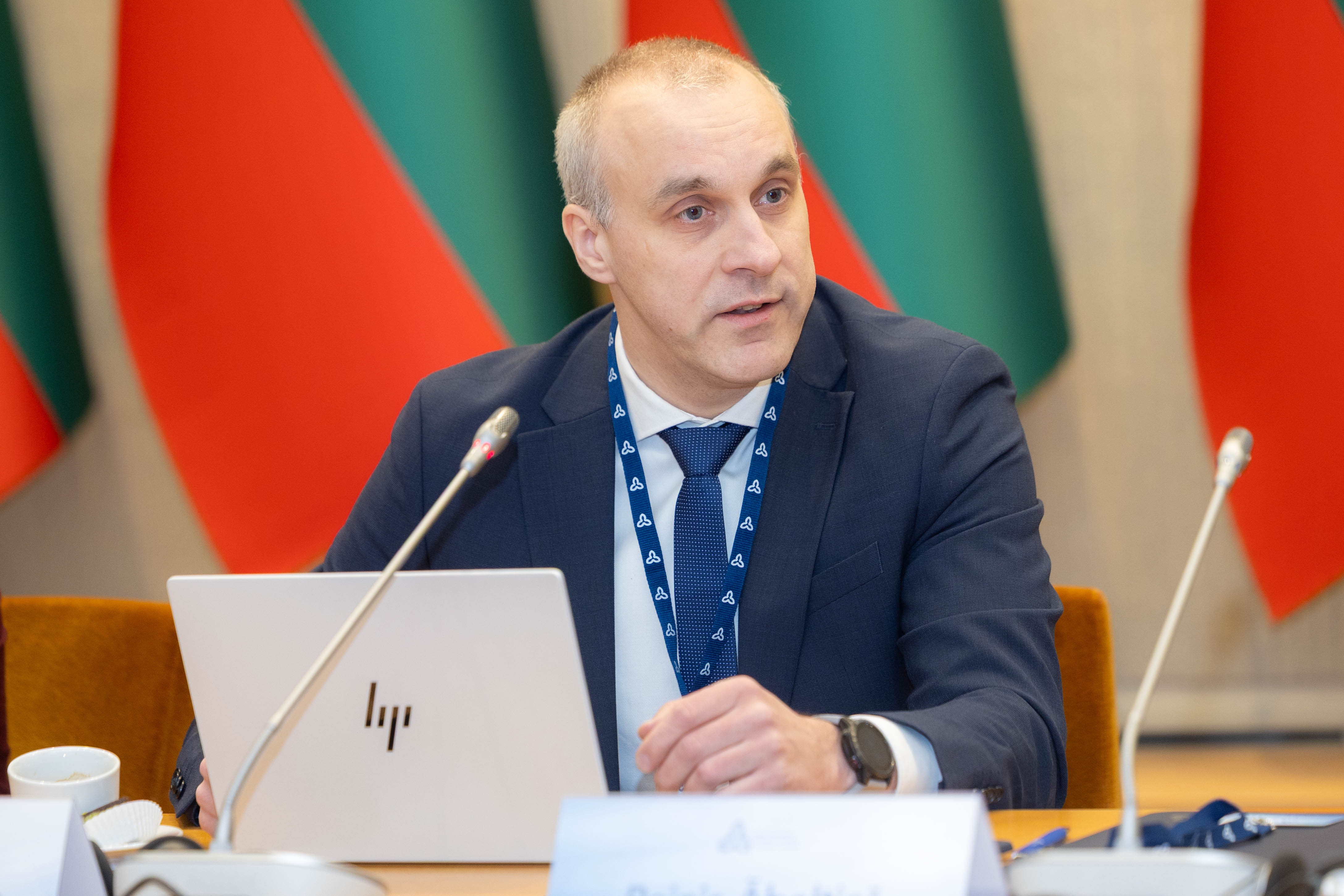
Akvilė Danielė, Vice-Minister of Transport and Communications of Lithuania, informed that transport policy in the region is one of the most important areas for resilience, because transport has become directly linked to security and the current geopolitical climate. As of now, the Eastern border regions need a separate EU solution, as well as targeted investments. Building a strong Trans-European transport network must be an infrastructure priority. Rail Baltica, Via Baltica, and other projects, such as strengthening ports, will serve as an example of how to protect and ensure that infrastructure is ready for the future.
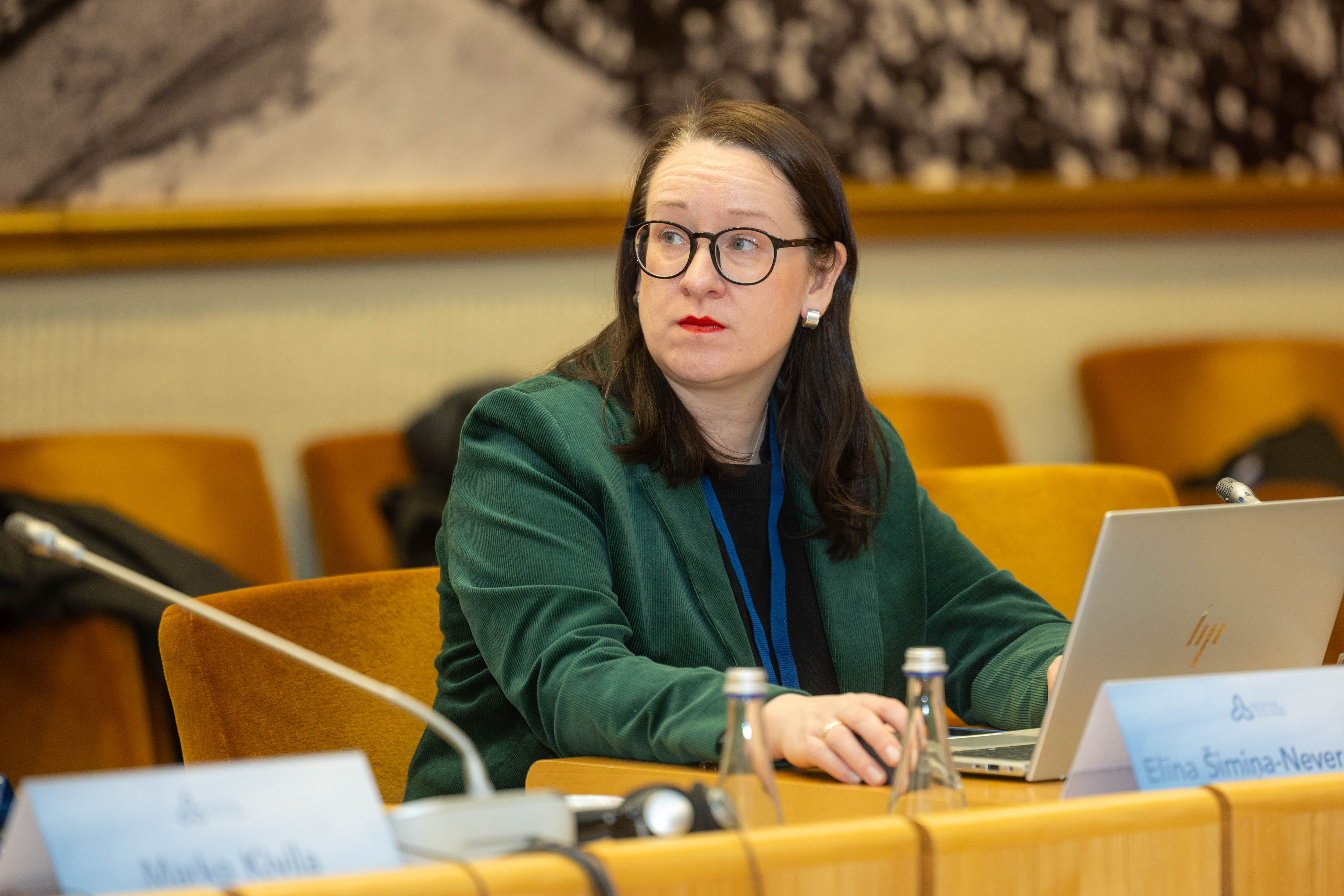
Elīna Šimiņa-Neverovska, Deputy State Secretary of the Ministry of Transport of Latvia, informed on the importance of 5G corridors, cross-border regional roads, and railways. Military mobility was also mentioned as key in transport policy, where discussions on strategies have already started. She stressed that even with notable challenges that the Baltic States face, they must stay and act as partners.
Additionally, meetings also took place for the Presidium and the Budget and Audit Committee of the Baltic Assembly. During the meeting, the Presidium adopted two Statements: “On Greenland and the Future of Democracy in Europe” and "On Russia’s Ongoing War of Aggression against Ukraine and International Attempts to End It."
Photos
© Ūla Liškevičiūtė, Seimas