Print
Print  Email link

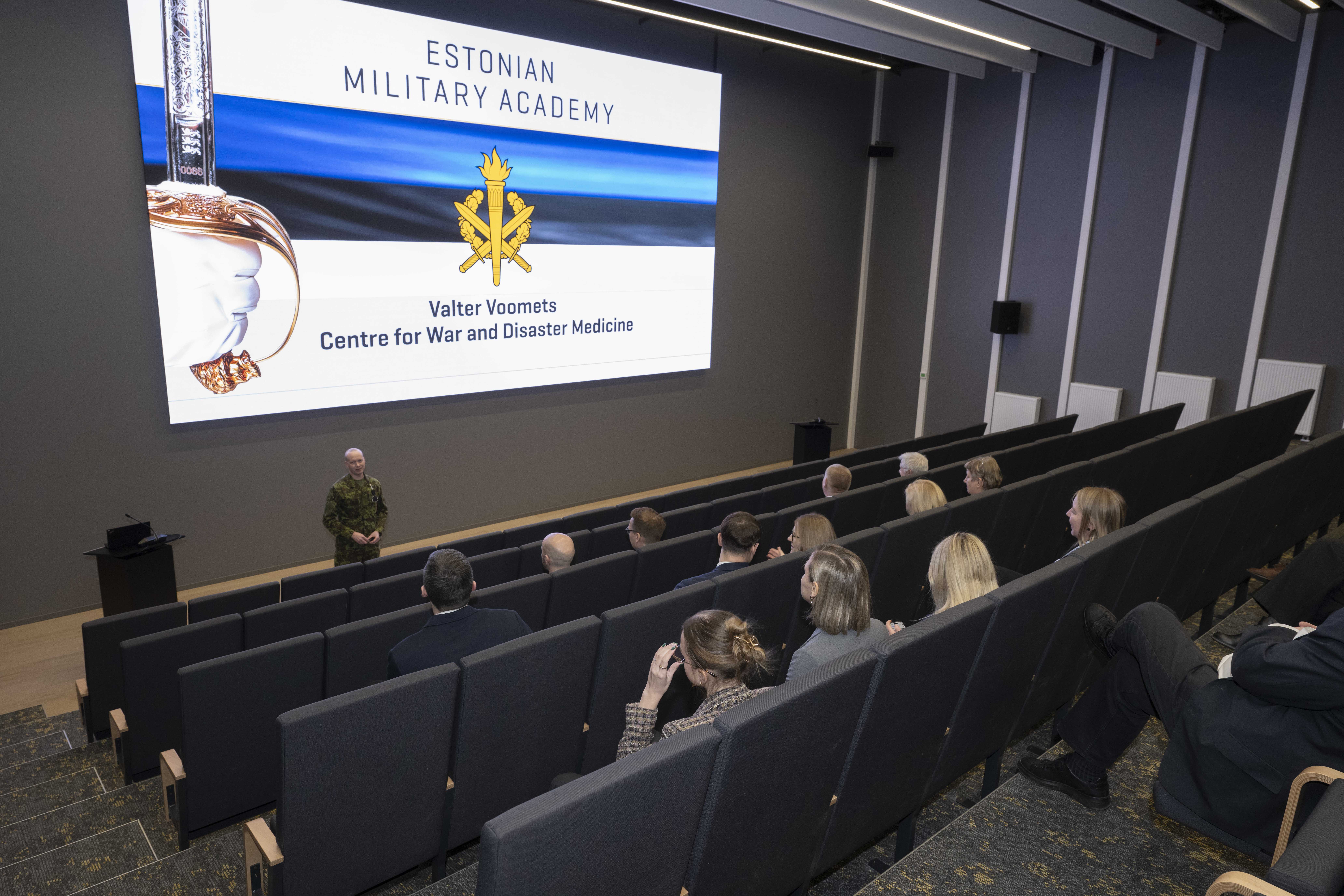
On 15-16 January 2026, the joint meeting of the Education, Science and Culture Committee and the Security and Defence Committee was held in Tartu, Estonia. The meeting brought together parliamentarians, experts from the Baltic States, and international guests to discuss security and defence education, as well as fostering research within the field.
Shared learning for shared security in the Baltic States: building joint defence and security education programs
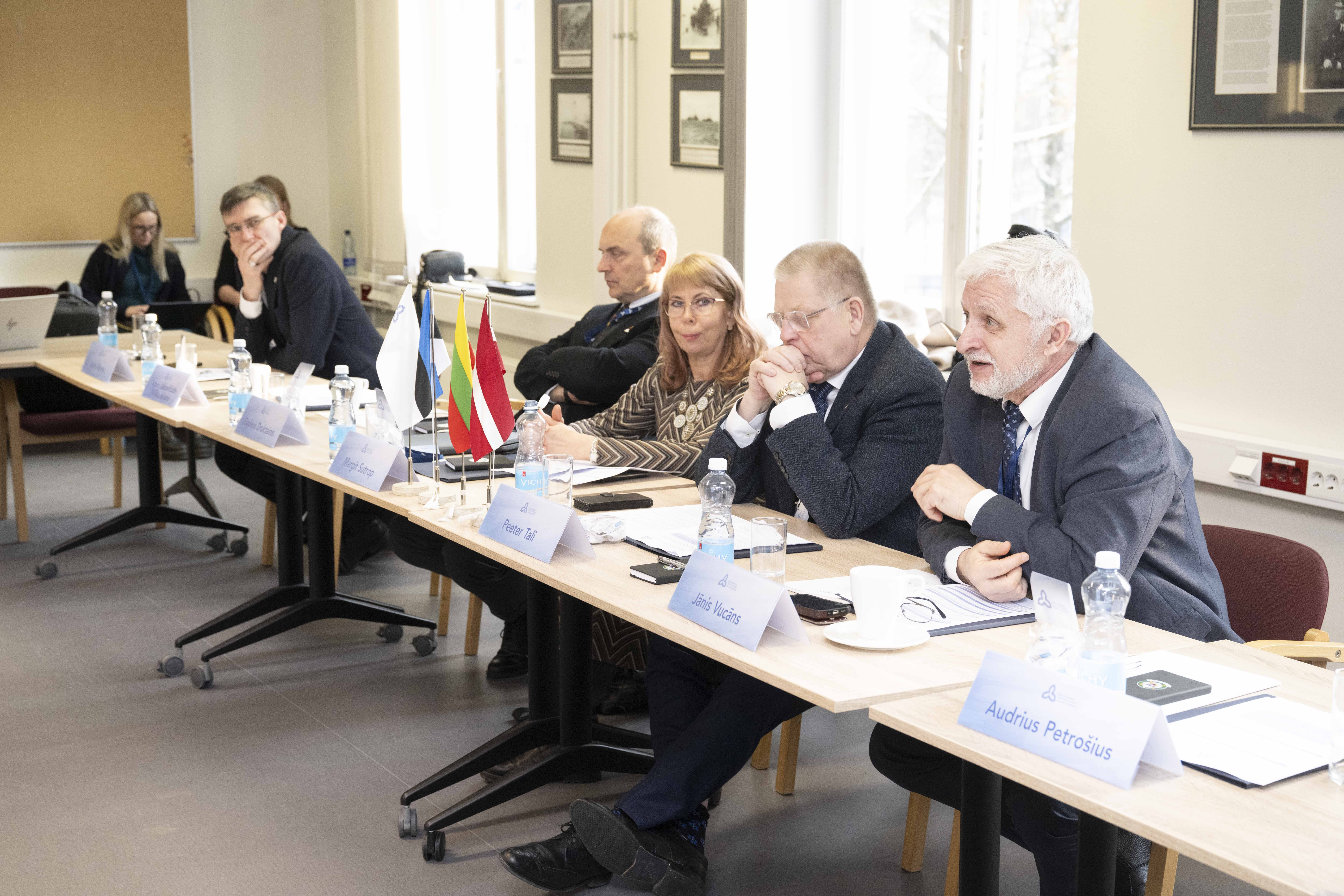
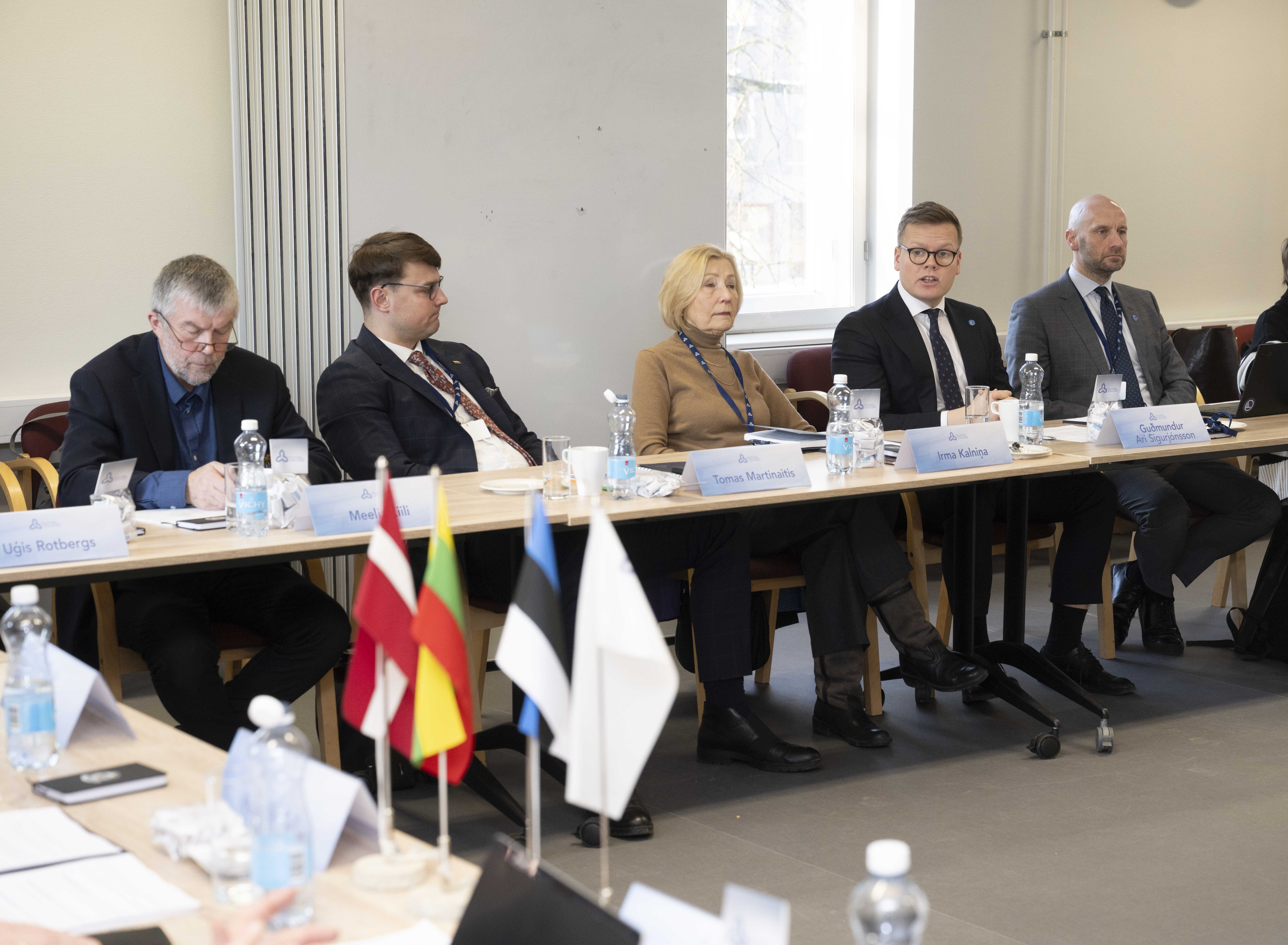
Chaired by Peeter Tali, Chair of the Security and Defence Committee, the first session of the meeting focused on building joint defence and security education programs. Peeter Tali introduced the importance of the topic and highlighted that it is necessary to discuss what actions the Baltic States have made in this regard, as well as the added value an education platform for sharing materials could bring.
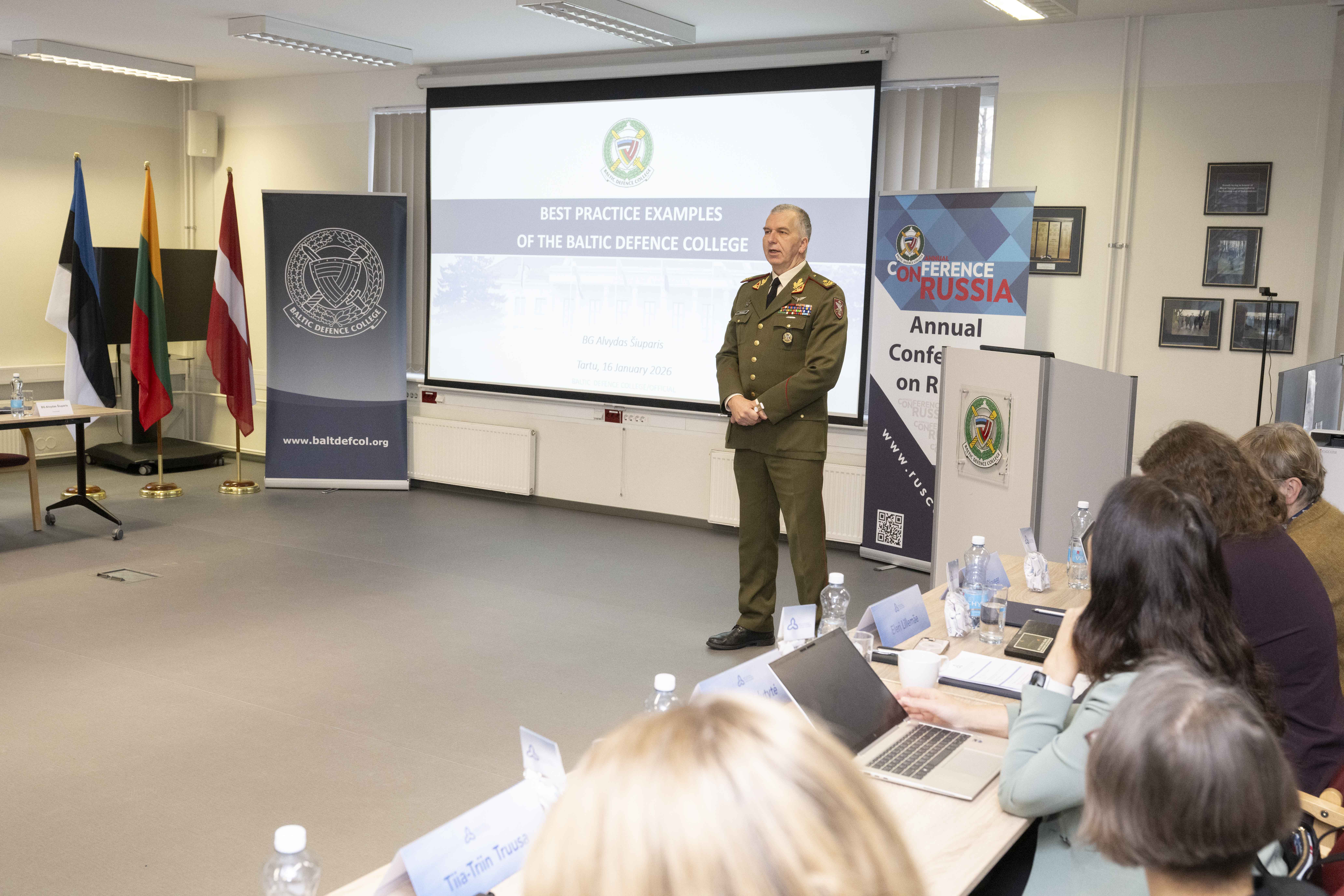
A best practice example was provided by Brigadier General Alvydas Šiuparis, Commandant of the Baltic Defence College (BALTDEFCOL), where the work of the college was introduced as a long-standing and highly successful model of Baltic cooperation, which delivers high-quality professional military and civilian education. Its clear mission, stable multinational funding, focus on strategic and operational-level education, and continuous development in research, digitisation, and emerging technologies ensure lasting relevance and contributions to NATO and regional security.
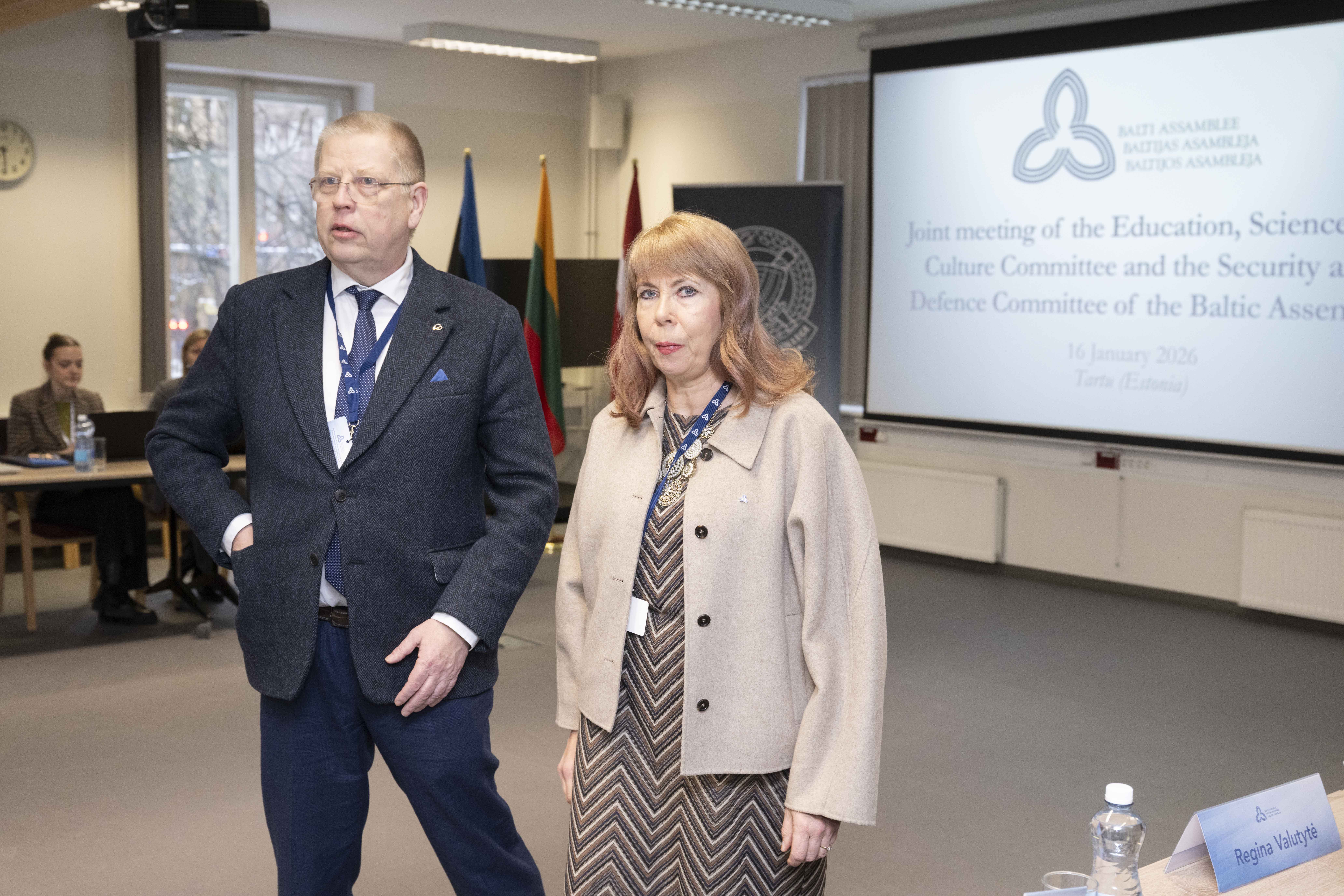

Regina Valutytė, Vice-Minister of Education, Science and Sport of Lithuania, stated that the Ministry strongly supports international cooperation and joint programmes; however, defence-related joint programmes do not yet exist in Lithuania due to limitations. Student mobility, especially through Erasmus, is a necessary first step because mobility between military academies still remains low. Additionally, she highlighted ongoing national and EU-level efforts to remove legal and degree-related barriers, align standards, and strengthen cross-ministerial cooperation as prerequisites for future joint curricula and shared training initiatives.
Liene Gātere, Parliamentary Secretary of the Ministry of Defence of Latvia, stressed that the work of BALTDEFCOL is highly valued and noted its potential to develop further as a regional expert. In Latvia, mandatory military education has been introduced in secondary schools, alongside a gradual increase in military conscription. However, cooperation with civilian universities shows mixed results, with successful programmes such as military medicine, while challenges remain in infrastructure and instructor expertise. She also stressed the need for realistic goals and aligned Baltic expectations.
Eleri Lillemäe, Head of Defence Analysis Group-Researcher of the Estonian Military Academy, explained the challenges of balancing military education and research, noting that academies face obstacles in accessing external research funding. As of now, Estonia has shifted its conscription model, moving toward fewer intakes, stronger instructor training, and a new 12-month system from 2027 focused on training and combat readiness, drawing lessons from Ukraine. Additionally, it was noted that conscription systems across countries have major differences, with a common challenge being the declining population.
Additionally, valuable international experience was shared by the Nordic Council. Guðmundur Ari Sigurjónsson, Chair of the Committee for Knowledge and Culture in the Nordic Region, emphasised that the Nordic region is waking up to a new reality, namely that security must be seen as comprehensive. This approach is also outlined in the Presidency programme for 2026. He noted that these days are challenging and allies have to stand together for a rule-based international order.
Fostering military and defence research cooperation in the Baltic States
Chaired by Margit Sutrop, Chair of the Education, Science and Culture Committee, the second session focused on fostering military and defence research cooperation in the Baltic States. While opening the session, Margit Sutrop stressed that defence research cooperation enables countries to respond cohesively to common challenges.
Karolis Aleksa, Vice Minister of National Defence of Lithuania, described national efforts to protect innovation and researchers in an increasingly competitive global environment. There are several funding models, including targeted support for startups and an annual one-million-euro scheme for specific product development, with projects focusing on capabilities such as drone interception. He stressed the need for urgent measures, testing grounds for anti-drone and anti-balloon systems, stronger surveillance and response capabilities, and closer Baltic and Nordic cooperation.
Liene Gātere outlined the defence budget priorities of Latvia in 2026, which focus on strengthening combat capabilities, military infrastructure, and defence industry growth. Around 22.8 million euros have been earmarked for innovation, including 10 million for science development, support for international initiatives such as the Drone Coalition for Ukraine, and a new approach to innovation through targeted cooperation with universities and industry. Additionally, she stressed the rapid development of drone technologies and the need for closer Baltic cooperation in research.
Tiia-Triin Truusa, Dean of the Baltic Defence College, explained that the Baltic States currently rely heavily on external formats and networks for defence research, due to the lack of dedicated funding. While national research profiles have grown, she stressed that from a defence perspective, the Baltic States function as a single region. However, there is an absence of shared Baltic problem definitions, which limits structured cooperation and goal-setting. Overall, it was underlined that there is a need for greater regional visibility and more stable, dedicated funding for Baltic military research.
Guðmundur Ari Sigurjónsson emphasised that in research, the Nordic countries cooperate using several measures, for example, NordForsk, which funds joint projects and other regional initiatives through NATO and Nordic Defence Cooperation projects. It was also stressed that the discussions should also include a Nordic-Baltic perspective, since the current threats are common.
Importantly, experts and representatives of the Baltic governments from the defence sector showed support for the initiative of the Baltic Assembly in establishing a Baltic Science Fund, stating that Estonia, Lithuania, and Latvia would benefit from closer cooperation in defence research.
Photos
© Eerik Peinar, Riigikogu