Print
Print  Email link
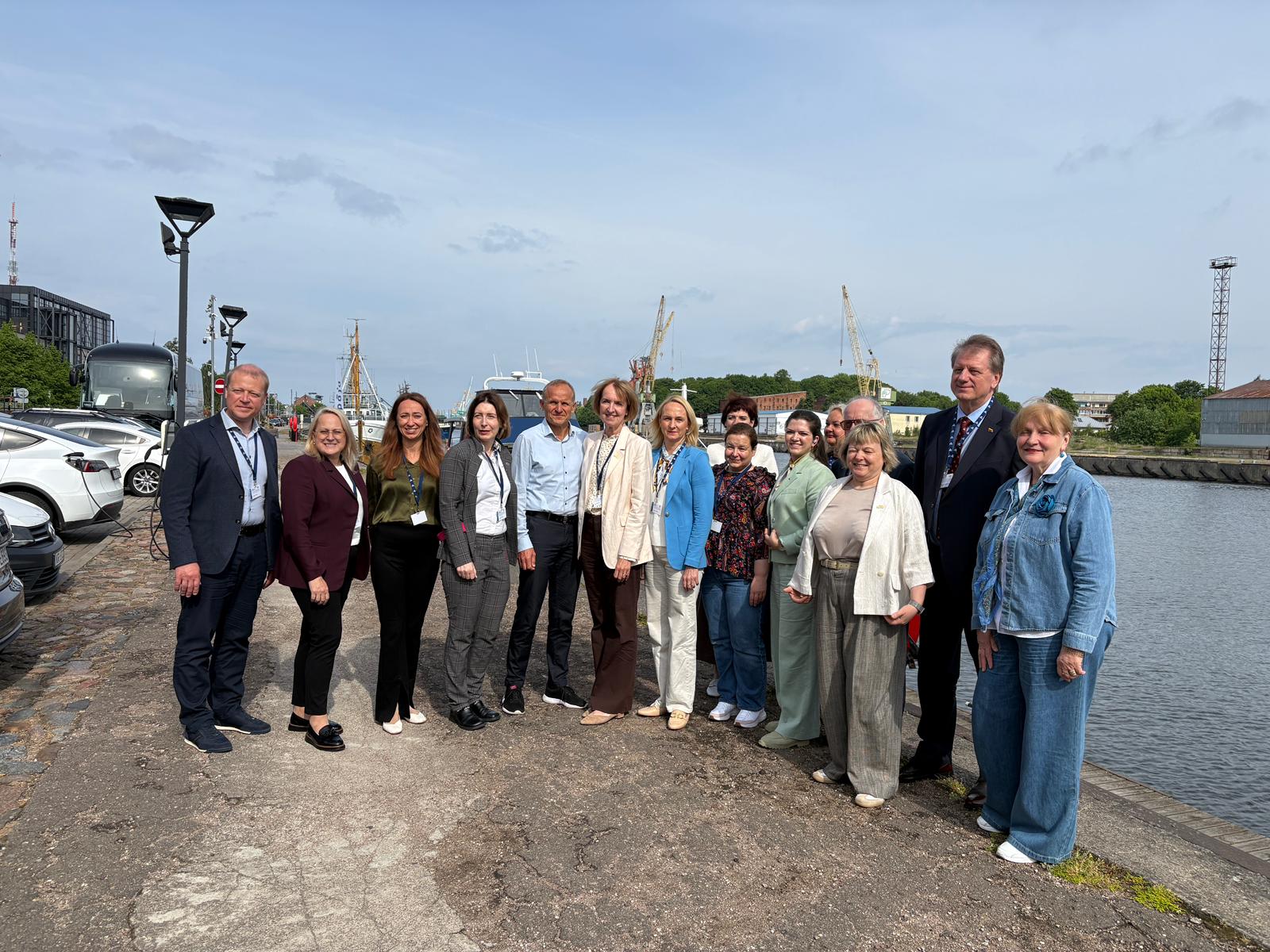
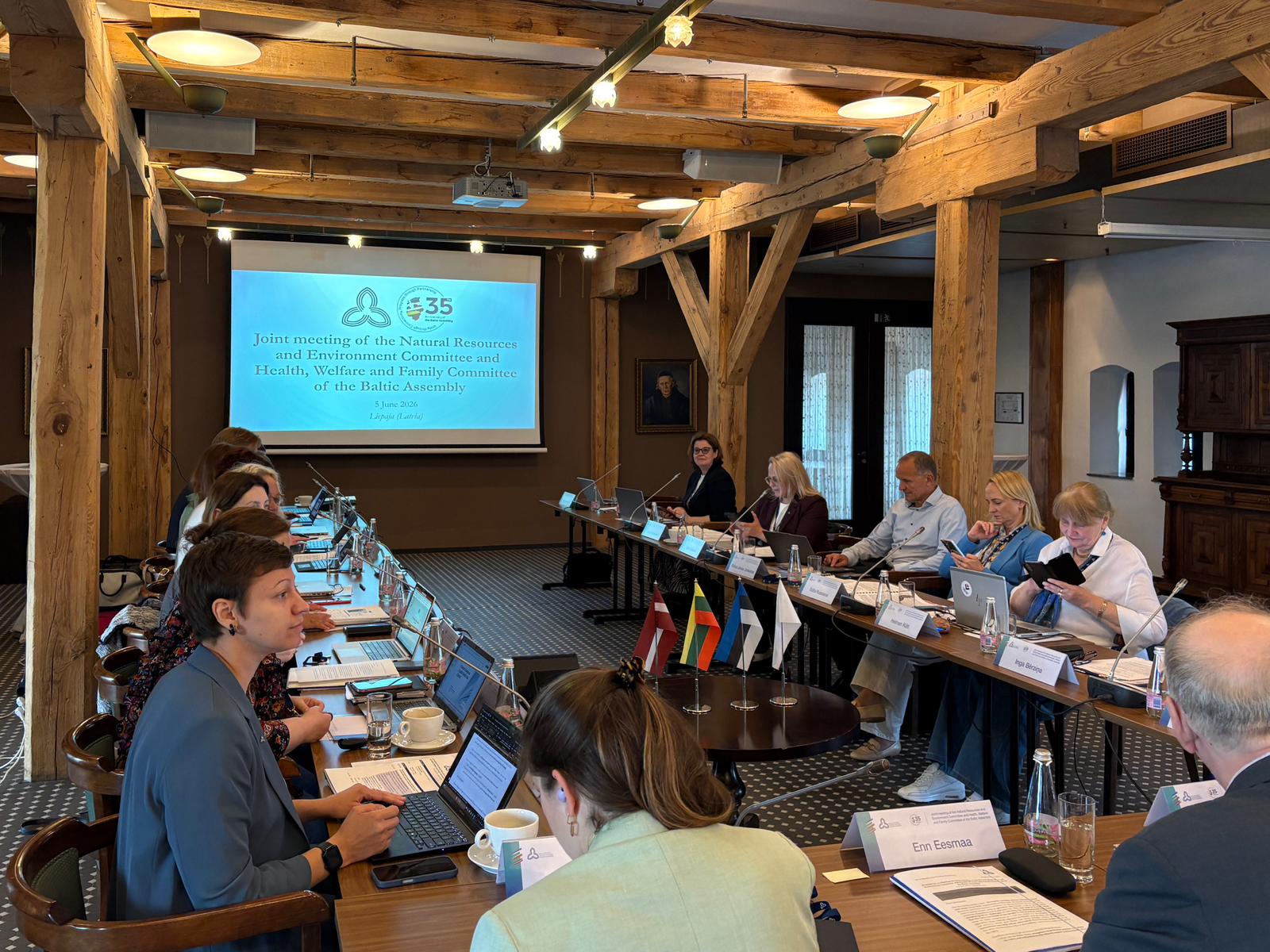
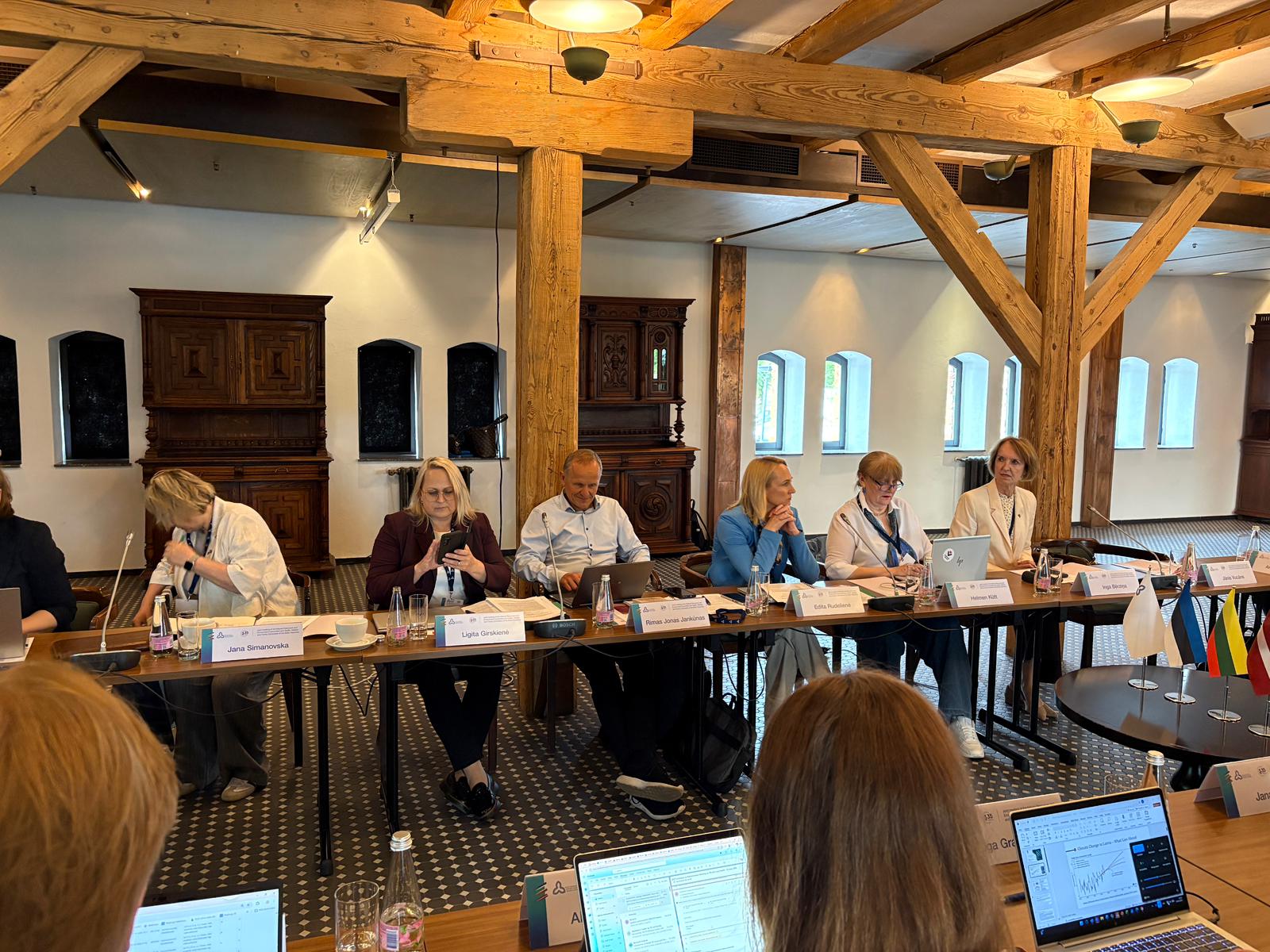
On 4-5 June 2026, the Natural Resources and Environment Committee and Health, Welfare and Family Committee of the Baltic Assembly held a joint meeting in Liepāja, Latvia. Discussions primarily touched on climate change as a public health risk in the Baltic States and how to mitigate its impacts.
Climate change as a public health risk in the Baltic States
Chaired by Saulius Čaplinskas, Vice Chair of the Health, Welfare and Family Committee, the first session of the meeting focused on climate change as a public health risk in the Baltic States. Saulius Čaplinskas highlighted that climate change is reshaping the foundations of our health - the air we breathe, the water we drink and the environments we depend on. Therefore, reducing harmful environmental exposures must become a common priority of the Baltic States.
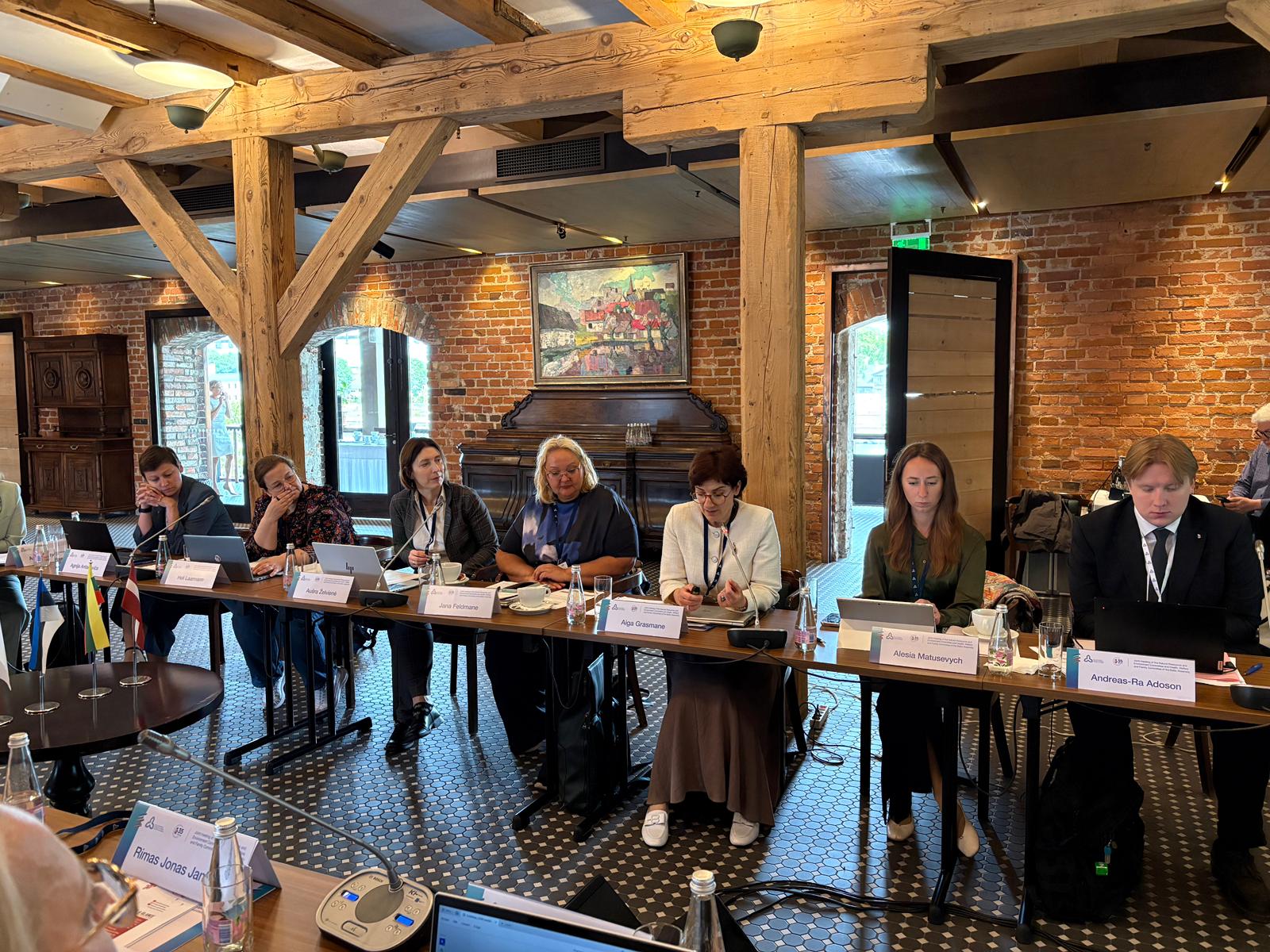
Heli Laarmann, Head of the Public Health Department at the Ministry of Social Affairs of Estonia, emphasised that climate and health must be addressed across all sectors, not only through healthcare. Key climate-related health risks include extreme weather, changing pollen and infectious disease patterns, water quality issues, air pollution, and higher UV exposure. As of now, Estonia is preparing for rising temperatures, heavier precipitation, sea-level rise, and more storms, while advancing national adaptation measures such as flood prevention, early warning systems, and stronger rescue capacity.
Aušra Želvienė, Adviser to the Minister of Health of Lithuania, stressed that climate change is now one of the major health threats of the 21st century. Adding to the already established risks, she stated that climate change is also changing the map of diseases. This is why Lithuania is strengthening vaccination and hygiene standards. Climate risks and pathogens do not stop at borders. Baltic cooperation must focus on “health in all climate policies,” a shared regional data and early warning system, joint research funding, and coordinated public information campaigns.
Jana Feldmane, Director of the Public Health Department at the Ministry of Health of Latvia, stated that in Latvia, the response to climate and health is based on the One Health approach. As of now, key concerns include heat-related hospitalisations and deaths and underreporting of heat as a cause of mortality. She also stressed the link between climate change and antimicrobial resistance, noting that both reinforce each other. The Baltic States face a shared imperative: align national health policy with global climate goals while building local resilience tailored to their geography, infrastructure, and communities.
Joint activities to mitigate the impact of climate change on health in the Baltic States
Chaired by Enn Eesmaa, Member of the Presidium, the second session focused on joint activities to mitigate the impact of climate change on health in the Baltic States. Topics included regional cooperation to reduce environmental exposures that harm health, pooling resources for climate-health initiatives, joint activities in ecosystem restoration as a shared regional health strategy, and others. Enn Eesmaa stated that the next step is to move from recognising challenges to reducing the environmental exposures that also harm the health of people in very practical ways. This means using Baltic cooperation as a tool for action for developing common approaches where national capacities are limited.
Aiga Grasmane, Director of the Climate Policy Department at the Ministry of Climate and Energy of Latvia, stated that Latvia is already experiencing clear climate change impacts, with recent years being the warmest recorded. She highlighted progress through the 2025 Climate Resilience and Economic Sustainability Law and the Climate Change Adaptation Plan to 2030. At the same time, there are gaps, including limited modelling of hospital resilience, underdeveloped monitoring of climate-related mental health risks, and a lack of long-term analysis of climate migration impacts on healthcare demand. She proposed stronger Baltic cooperation, especially a joint heat-health early warning system, shared standards for climate-resilient healthcare infrastructure and joint climate-health research.
Photos
© Secretariat of the Baltic Assembly