Print
Print  Email link
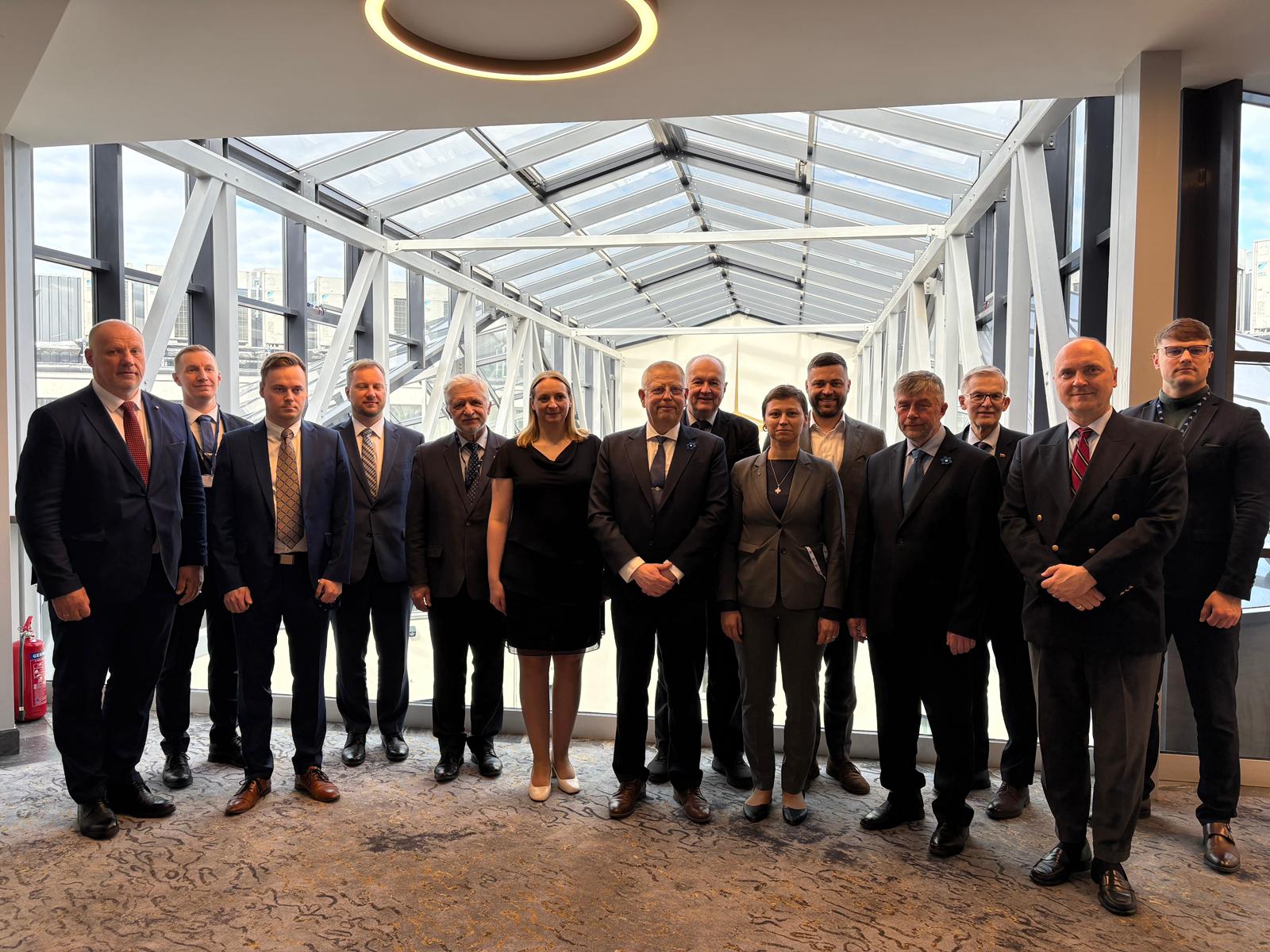
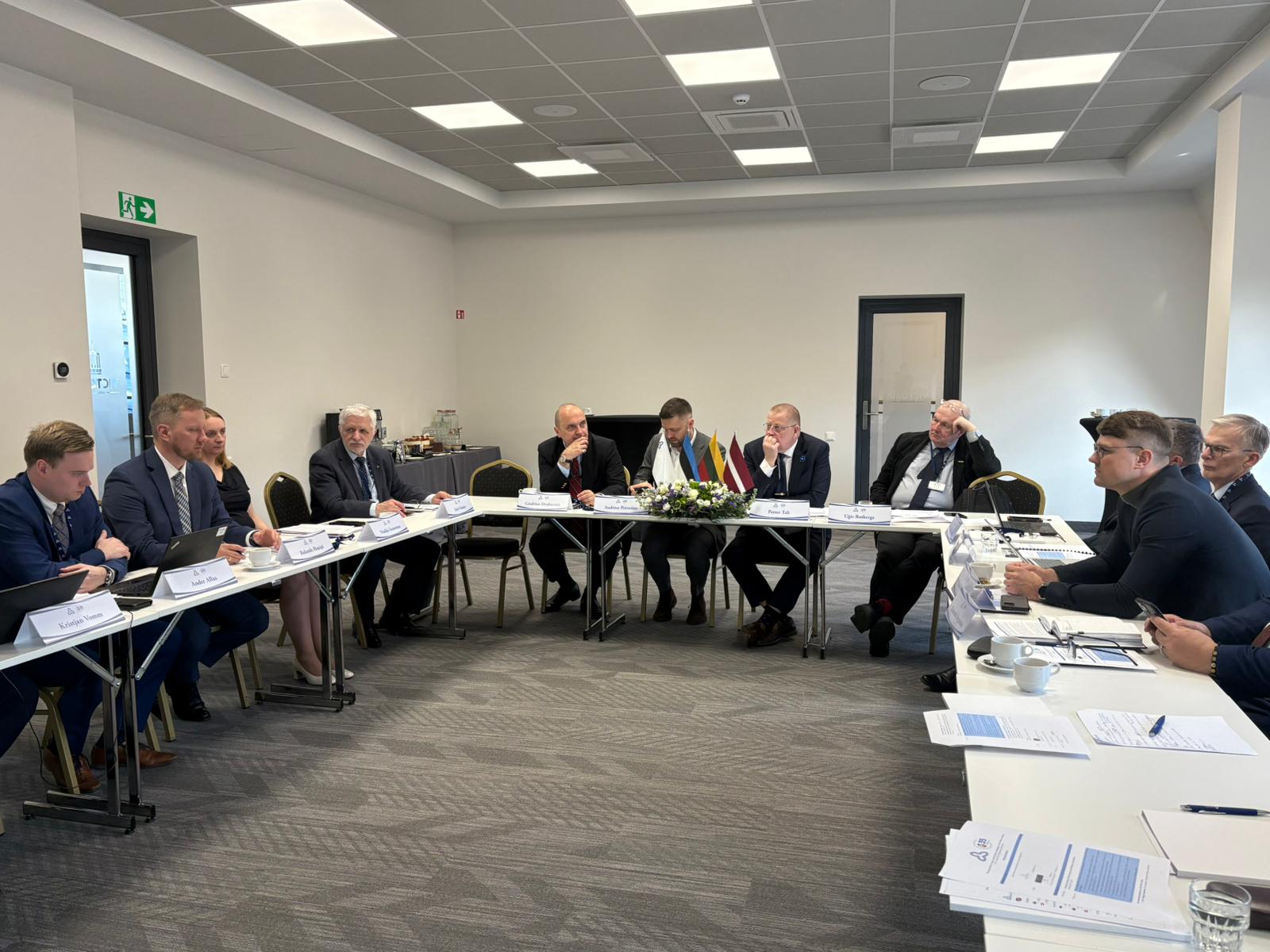
On 23-24 April 2026, the Security and Defence Committee of the Baltic Assembly held a meeting in Klaipėda, Lithuania. Discussions primarily touched on developing a regional defence ecosystem and enhancing collective resilience through cyber defence.
Developing Baltic Defence Ecosystem: Integration and Industrial Growth in the Region
The first session of the meeting looked into developing a common Baltic Defence Ecosystem. Discussions touched on intensifying the alignment of national defence strategies, joint funding mechanisms for regional defence projects, and other topics.
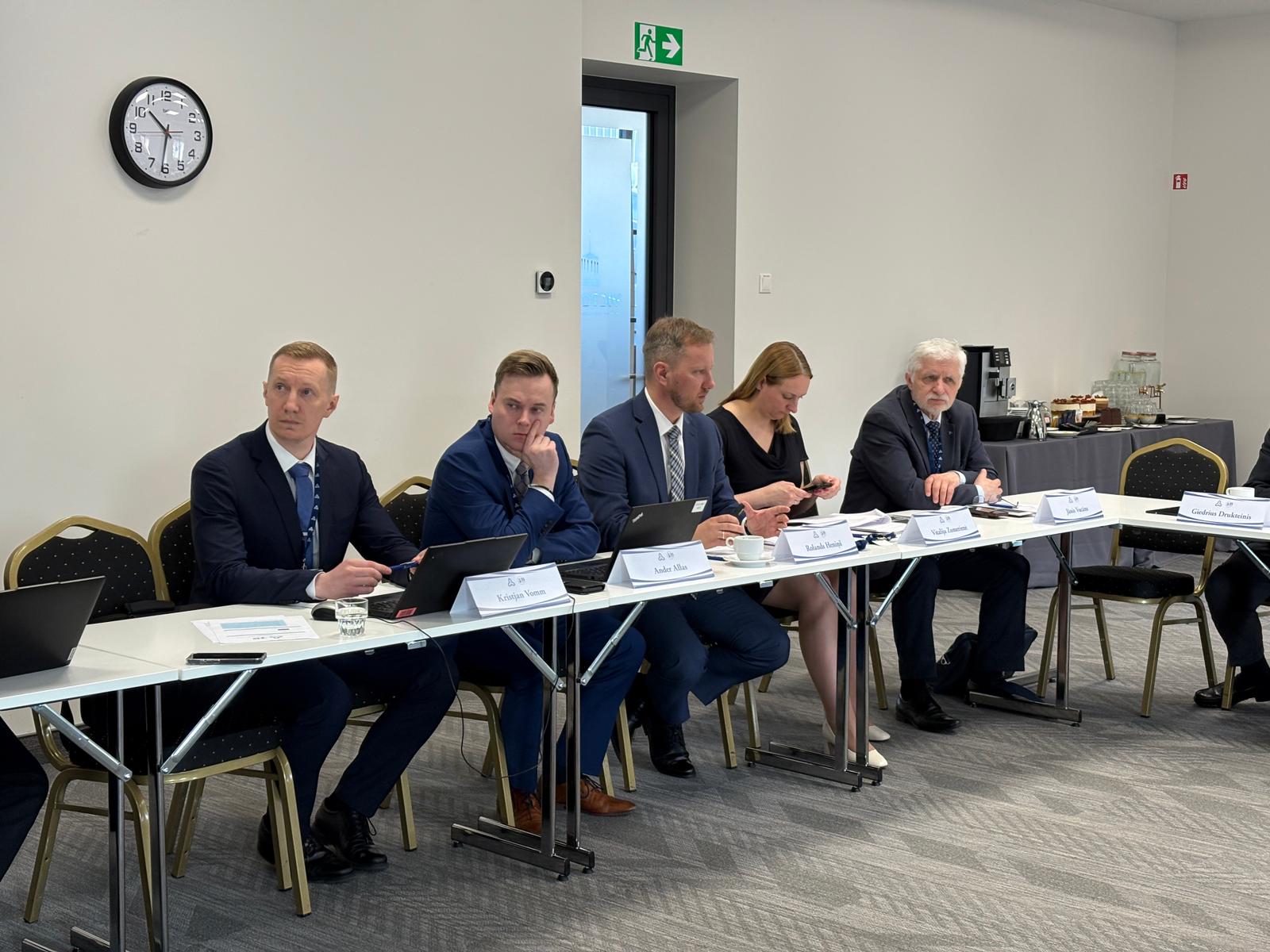
Vice Minister of National Defence of Lithuania, Vitalija Zumerienė, emphasised that the Baltic States share the same security environment due to their common sea, borders, and neighbors, making defence cooperation essential. She also outlined the current priorities of Lithuania in defence: strengthening ammunition and explosives capabilities; urgently improving energy resilience based on lessons from Ukraine; expanding military equipment manufacturing and maintenance; and developing naval defence through new technologies.
Undersecretary of State and Policy Director of the Ministry of Defence of Latvia, Rolands Heniņš, stressed that regional defence cooperation among the Baltic States is essential and largely driven by frameworks like NATO and the EU. He noted increasing support from the U.S. for regional projects and emphasised that although defence industries and procurement efforts are expanding in all three countries, challenges remain due to national interests, suggesting that industries may need to develop individually first.
Head of the European Defence Industry Programmes of the Department of Defence Industry Development of the Ministry of Defence of Estonia, Ander Allas, highlighted that the defence industry in Estonia has grown rapidly and is entirely privately owned, with ambitions to become internationally competitive. However, he also emphasised challenges such as access to capital for early-stage companies and the need to reduce bureaucracy. He pointed to EU initiatives like the European Defence Industry Programme and Competitiveness Fund as opportunities to enhance cooperation, avoid duplication, and address bottlenecks.
Enhancing Collective Resilience through a Baltic Cyber Defence Network
The second session touched on developing a Baltic Cyber Defence Network (such as joint cyber defence capabilities, response mechanisms, and information sharing). Participants discussed the current state of cybersecurity cooperation in the Baltics, risks and opportunities for the usage of emerging technologies, and other key topics.
Vice Minister of National Defence of Lithuania, Vitalija Zumerienė, emphasised the need to strengthen Baltic cyber defence cooperation, highlighting plans to develop joint cyber capabilities and create a practical cooperation roadmap focused on information sharing, the protection of critical infrastructure, and avoiding duplication of efforts. She also stressed the growing importance of securing the Baltic Sea undersea cables due to recent incidents, calling for closer coordination on both physical and cyber protection and timely information exchange.
Undersecretary of State and Policy Director of the Ministry of Defence of Latvia, Rolands Heniņš, explained that cyber defence cooperation among the Baltic States is essential but complex due to different national systems, meaning there is no single structure that can be replicated. However, deeper Baltic integration could evolve step by step. He stressed that cooperation today is mainly supported by NATO, while highlighting initiatives such as more frequent policy-level meetings, cyber director talks, and ideas like synchronised threat hunting, where countries scan for vulnerabilities simultaneously and share results.
Deputy Head of the Innovation Department of the Ministry of Defence of Estonia, Kristjan Vomm, highlighted that cybersecurity cooperation in the region is quite strong, supported by initiatives linked to NATO’s Allied Command Transformation and programs like Locked Shields, Crossed Swords, and others. He added that efforts should focus on strengthening existing initiatives rather than creating duplicative ones. He pointed out that key challenges remain in effective information sharing, governance, and funding, and emphasised the importance of addressing emerging risks, such as those related to AI.
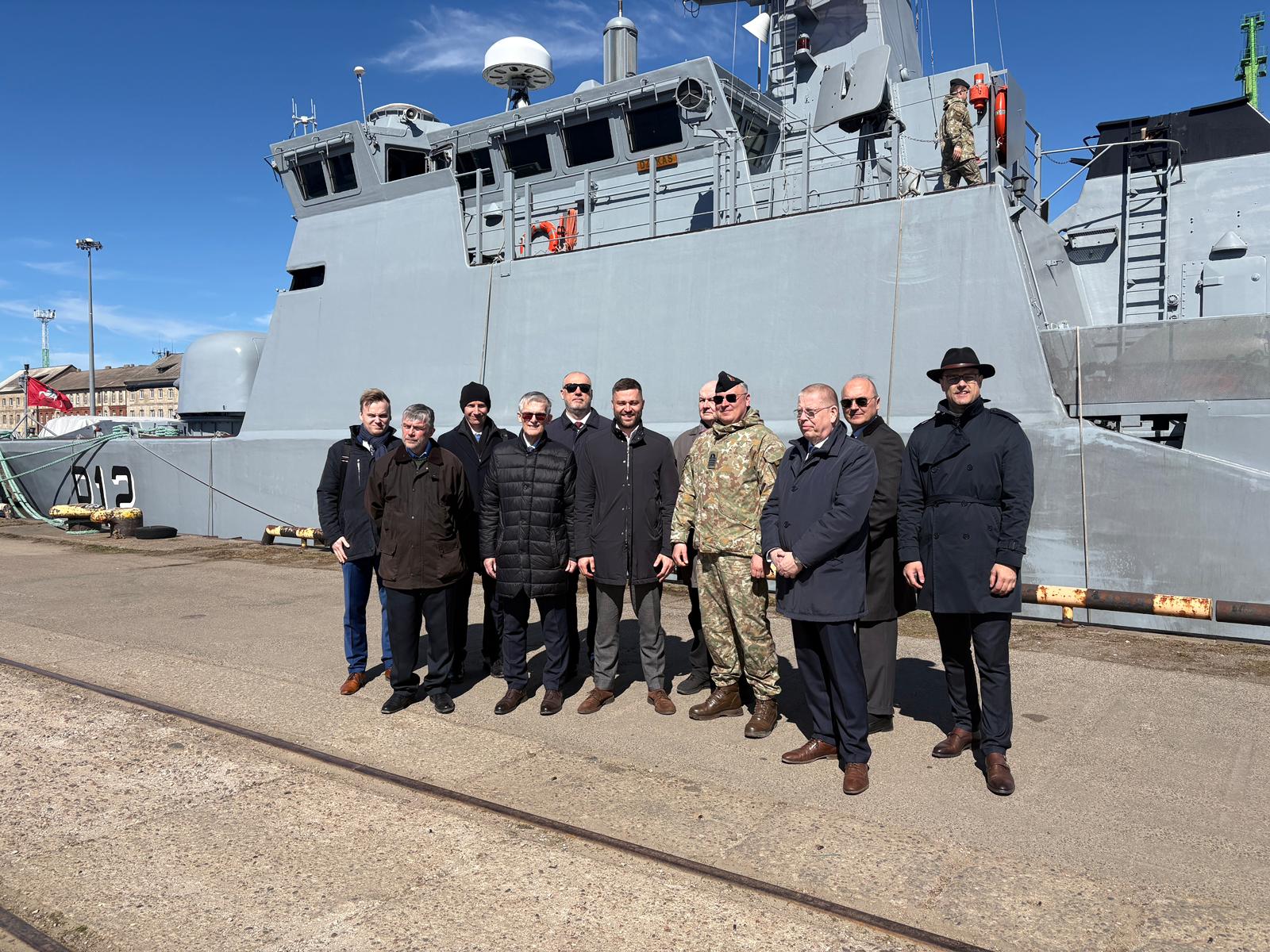
During the meeting, attendees also got the opportunity to visit the Lithuanian Navy Flotilla to gain more insight into the work of protecting territorial waters.
Photos
© Secretariat of the Baltic Assembly