Print
Print  Email link
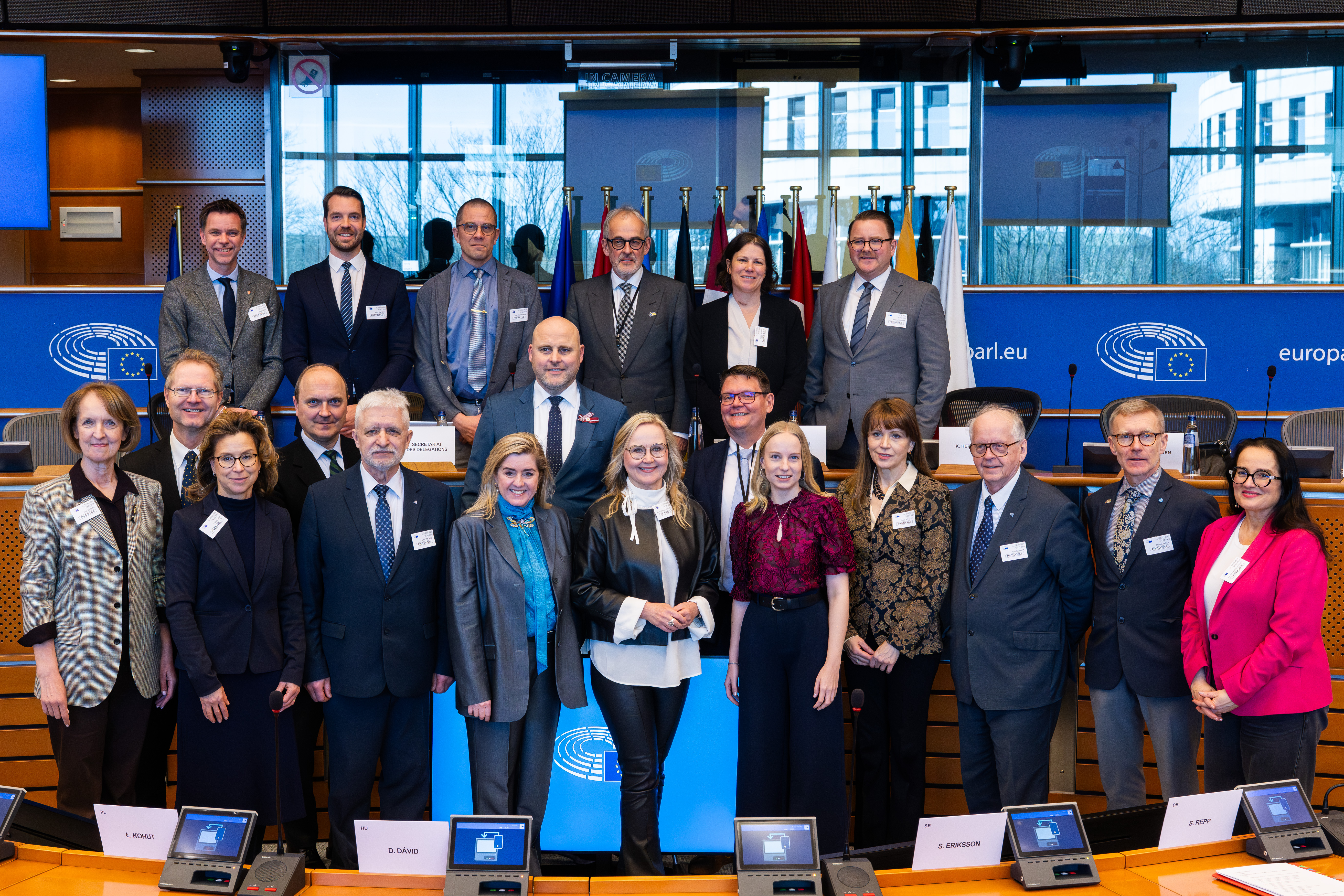
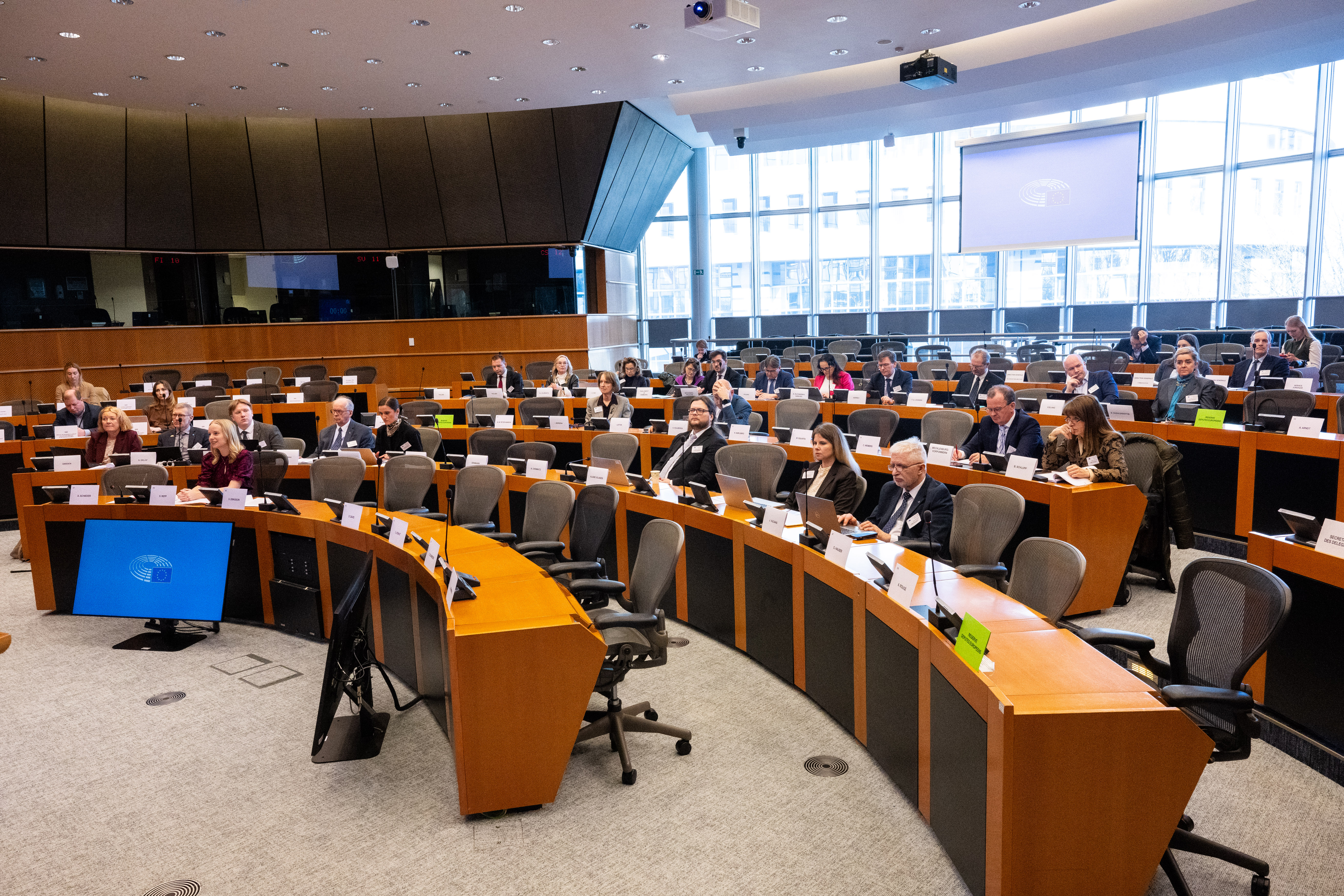
On 1-3 March 2026, in Brussels, the Standing Committee of the Baltic Sea Parliamentary Conference (BSPC) convened at the European Parliament for its spring session. The members of the Baltic Assembly took an active participation at the meeting.
The Standing Committee meeting at the European Parliament was opened by Roberts Zīle, Vice-President of the European Parliament, who underlined the importance of sustained parliamentary engagement in strengthening resilience and cohesion across Europe. He added that uncertainty in the work has only made cooperation more important than ever. Roberts Zīle highlighted that Russia’s ongoing war against Ukraine continues to shape the security policy in Europe and reminds the parliamentarians how essential it is to work closely together.
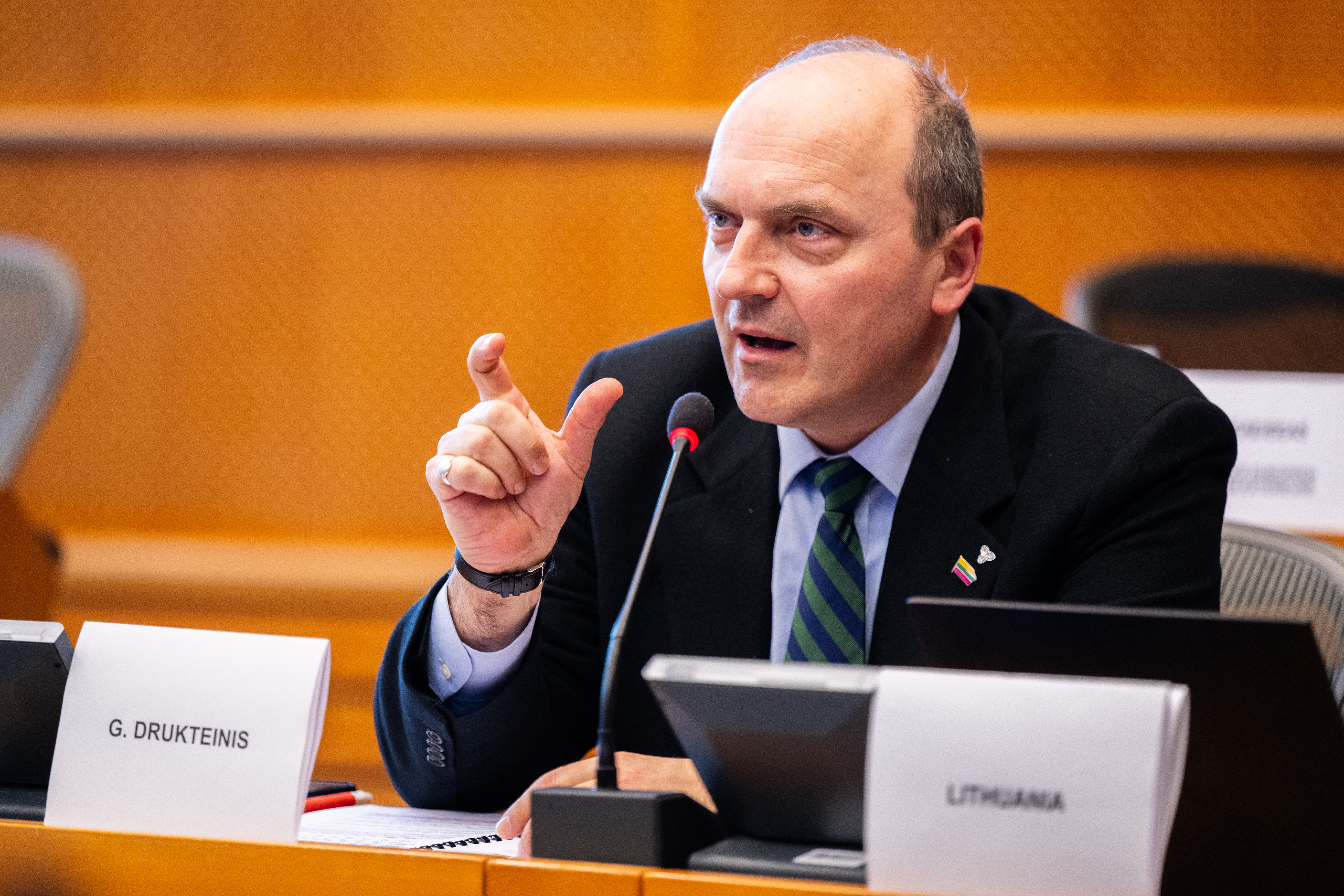
The Standing Committee addressed recent geopolitical developments in the Arctic region, with a particular focus on Greenland and their implications for regional and European security. Vice President of the Baltic Assembly Giedrius Drukteinis informed the participants that the Presidium of the Baltic Assembly recently met in Vilnius, Lithuania, and adopted the statement "On Greenland and the Future of Democracy in Europe." The Members noted that the Baltic Assembly stands in full solidarity with the Nordic region, highlighted that the Baltic States stand firmly for the territorial integrity and sovereignty of Denmark, and are committed to developing further joint steps by the European Union to protect democracy in Europe.
Meanwhile, discussions around the new Multiannual Financial Framework (MFF) highlighted a clear shift in priorities, with security and defence taking a more prominent role. The proposed allocation for defence and space reflects the changing security environment in Europe. At the same time, Sabrina Repp, Member of the European Parliament and Member of the BSPC Standing Committee, emphasised that it is important that defence spending strengthens the resilience of the regions and helps secure them for the future, rather than simply flowing into large defence industries.
During the meeting, Mr Gustav Lindström, Director General of the CBSS, briefed the Standing Committee on recent developments within the CBSS, ongoing reform processes, and key priorities. He said that cooperation within the Council of the Baltic Sea States remains increasingly important as the region adapts to the current geopolitical situation. The protection of critical infrastructure and essential services has become a key priority, reflecting the growing need for resilience across the Baltic Sea region. The CBSS is also undergoing reforms to better respond to these challenges. In this context, the Vihula Declaration highlights the need to place stronger emphasis on security, while the CBSS is deepening its work on civil defence and regional resilience.
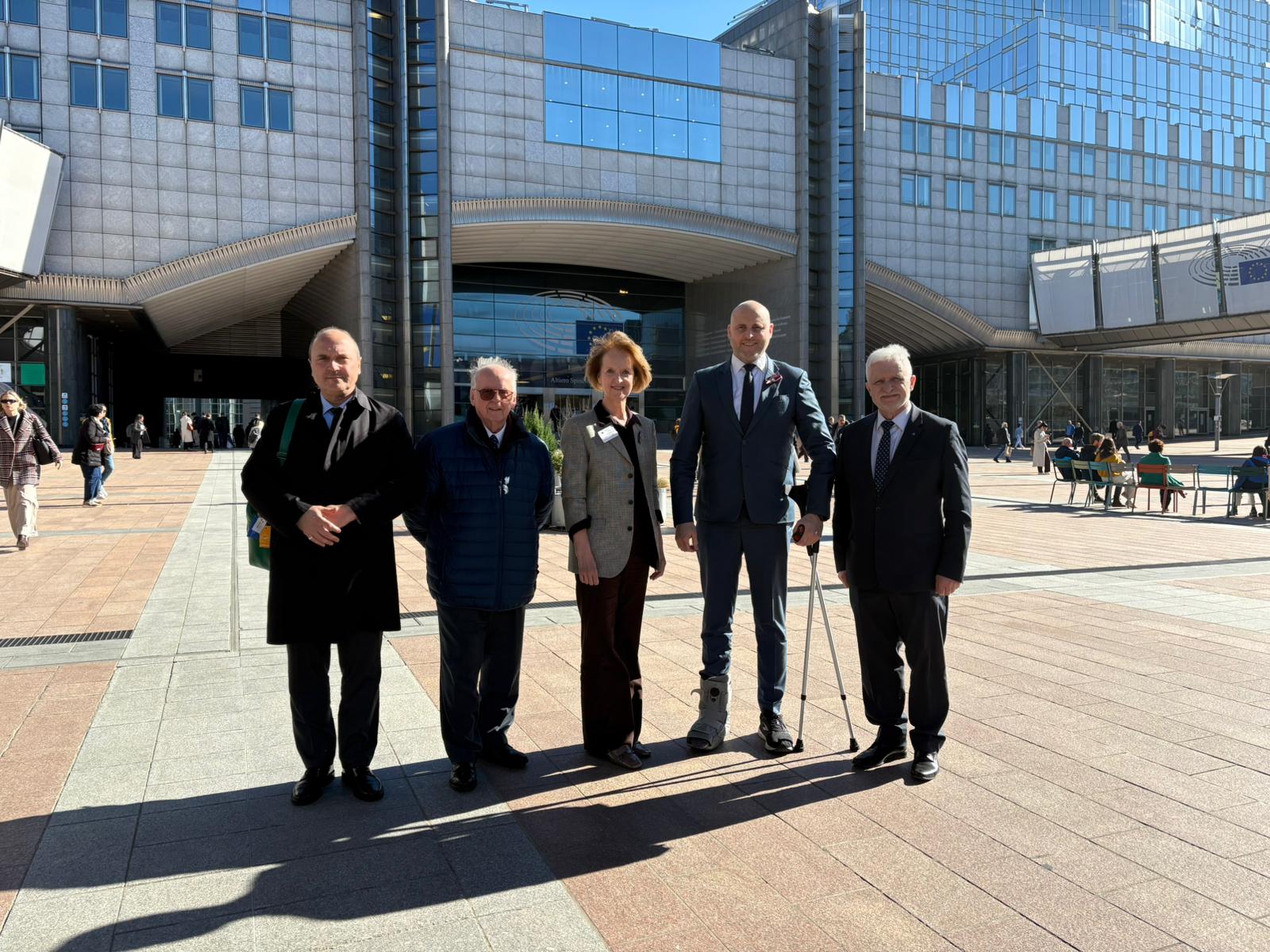
The Baltic Assembly at the meeting was represented by Vice Presidents Giedrius Drukteinis and Jānis Vucāns, Members of the Presidium Enn Eesmaa and Inga Bērziņa, as well as by Andris Kulbergs, Vice Chair of the Economics, Energy and Innovation Committee and BSPC rapporteur on energy security, self-sustainability, resilience, and connectivity.
Photos
© Laurie DIEFFEMBACQ and Secretariat of the Baltic Assembly